FreshWater Watch
Repeatable community observations and nutrient/turbidity sampling. Volunteer observations require quality assurance and do not replace laboratory or statutory assessments.
KVI-09 · Rivers & springs
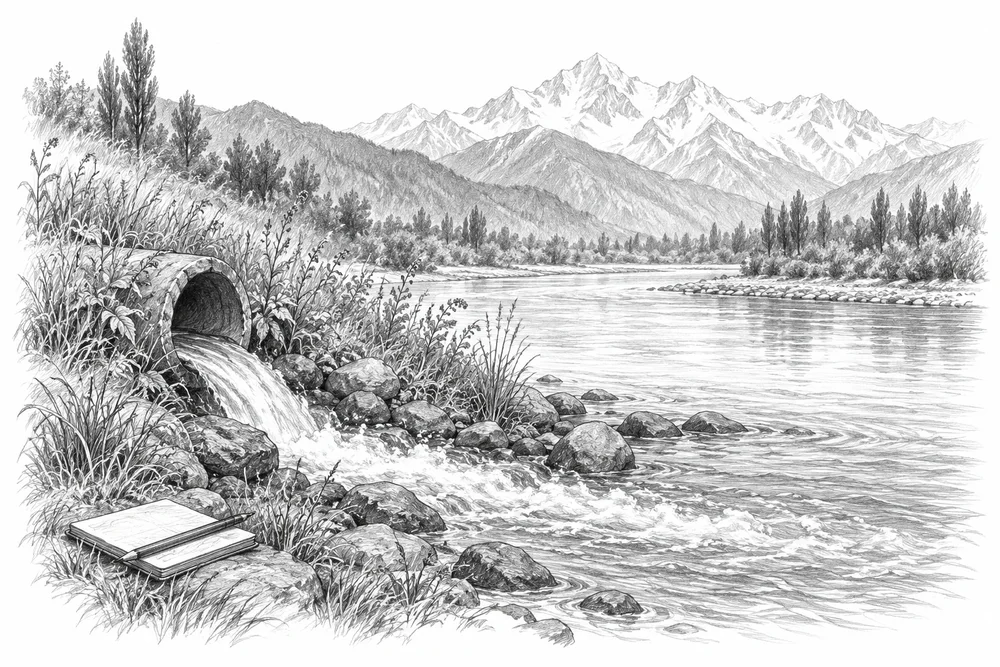
Build a drain-to-river inventory for a defined reach and follow the dominant pollution sources through to treatment options.
UNDERSTANDING THE ISSUE
Pollution can reach a river through many small drains as well as larger outlets. Local river and lake research supports examining water quality, but a project needs to identify the active inputs along its own reach before selecting a response.
The first phase would turn this broad issue into a bounded site investigation. Current condition, the cause of change and an accountable local partnership would guide whether an intervention is appropriate.
Flow, water quality and habitat connections need to be understood together.
Water users and land managers hold knowledge essential to a workable project.
A single visit cannot describe a river or spring through its annual cycle.
PROPOSED APPROACH
Build a drain-to-river inventory for a defined reach and follow the dominant pollution sources through to treatment options.
Inventory outlets, their catchments and visible discharge, with safe sampling by trained partners.
Follow one confirmed source through to an operational treatment or prevention arrangement.
Revisit the outlet and receiving reach under comparable flow conditions.
Inventory outlets, their catchments and visible discharge, with safe sampling by trained partners. Keep methods, dates, source records and unresolved questions together.
Follow one confirmed source through to an operational treatment or prevention arrangement. Identify responsibilities, permissions, costs and continuing care before proceeding.
Revisit the outlet and receiving reach under comparable flow conditions. State what would count as success, failure or a reason to change course.
Local evidence
A locally relevant topic is documented by a cited source; current severity and site feasibility remain unassessed.
1.5 km Nawakadal-Chattabal reach; 2017 event
Publisher indexed abstract checked. Reference checked 2026-10-30. Site, time period and methods limit how this evidence can be applied to a new project.
Wular open water; October 2018
Full text checked in initial sample. Reference checked 2026-10-30. Site, time period and methods limit how this evidence can be applied to a new project.
These references offer methods to assess locally. They do not establish what will work at a selected Kashmir site.
Repeatable community observations and nutrient/turbidity sampling. Volunteer observations require quality assurance and do not replace laboratory or statutory assessments.
Catchment restoration and natural flood management. Flood-channel works in Kashmir need local hydraulic and authority review; benefits are site-dependent.
KVI-10 Local evidence
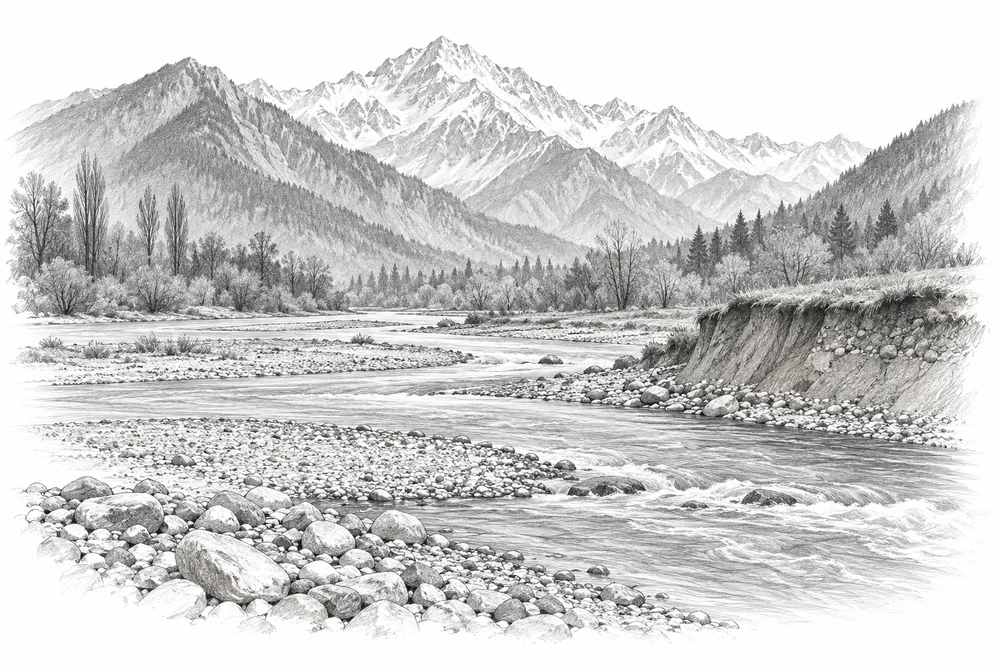
Document changes to selected extraction reaches and fish habitat to support evidence-based restoration discussions.
Explore the opportunity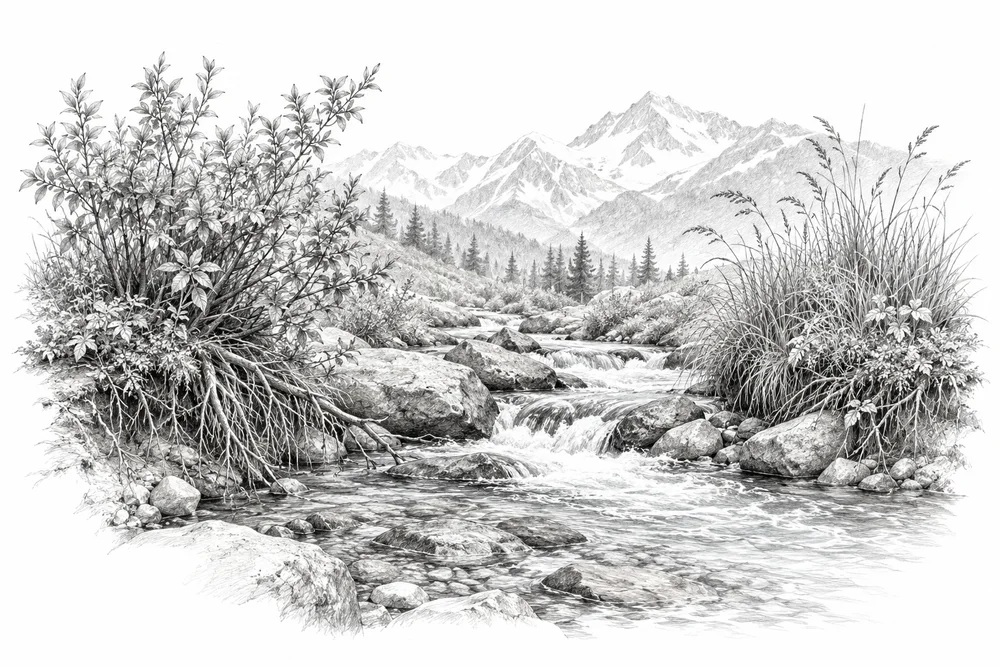
KVI-11 Local evidence
Develop native riparian habitat pilots from local reference vegetation, while retaining channel and flood safety.
Explore the opportunity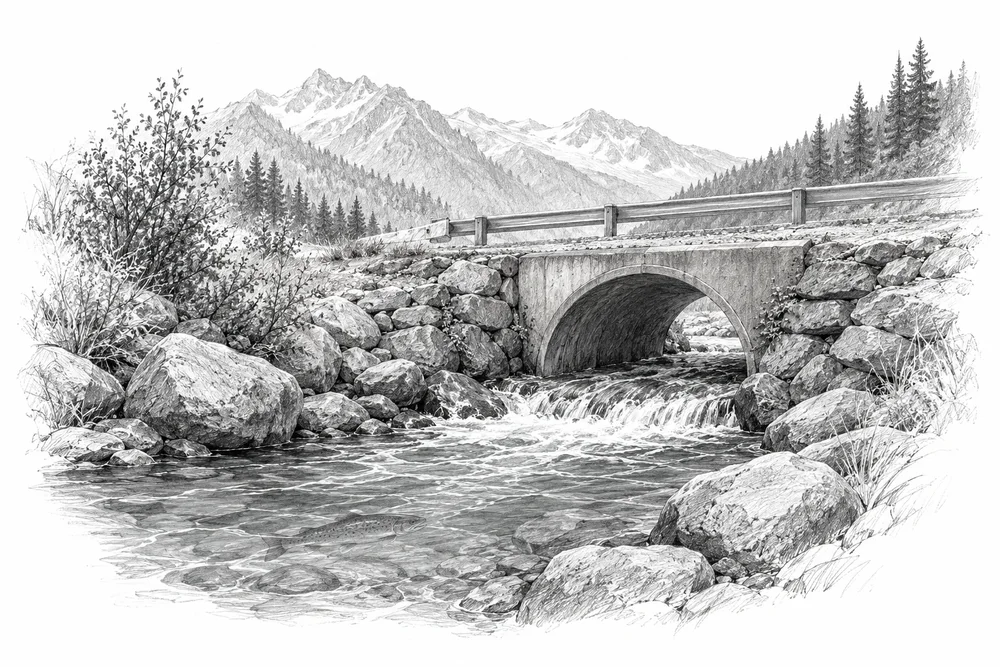
KVI-12 To investigate
Screen diversions, culverts and other barriers for ecological effects before proposing reconnection or flow work.
Explore the opportunityThis is a research and project proposal. The illustration is an editorial concept, not evidence of current site conditions or completed work.