Landcare
Community and farmer stewardship of soil, water and native vegetation. Institutions and species differ; retain local pastoral and farmer rights.
KVI-11 · Rivers & springs
Develop native riparian habitat pilots from local reference vegetation, while retaining channel and flood safety.
UNDERSTANDING THE ISSUE
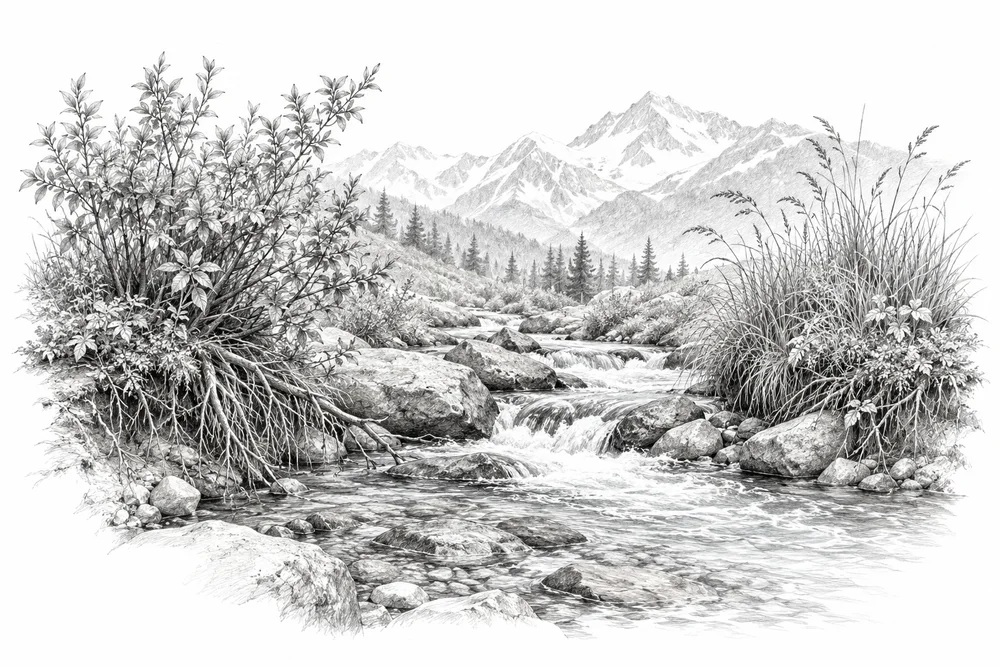
Streamside vegetation connects land and water, yet bank treatments can overlook native plant communities and channel behaviour. Zabarwan research offers a local reference for vegetation; it does not prescribe one planting mix for every stream.
The first phase would turn this broad issue into a bounded site investigation. Current condition, the cause of change and an accountable local partnership would guide whether an intervention is appropriate.
Flow, water quality and habitat connections need to be understood together.
Water users and land managers hold knowledge essential to a workable project.
A single visit cannot describe a river or spring through its annual cycle.
PROPOSED APPROACH
Develop native riparian habitat pilots from local reference vegetation, while retaining channel and flood safety.
Describe existing riparian plants, bank condition, water movement and land use beside a selected reach.
Protect natural recovery or trial suitable native vegetation where channel safety and site access allow it.
Measure survival or regeneration, bank cover and habitat condition over successive seasons.
Describe existing riparian plants, bank condition, water movement and land use beside a selected reach. Keep methods, dates, source records and unresolved questions together.
Protect natural recovery or trial suitable native vegetation where channel safety and site access allow it. Identify responsibilities, permissions, costs and continuing care before proceeding.
Measure survival or regeneration, bank cover and habitat condition over successive seasons. State what would count as success, failure or a reason to change course.
Local evidence
A locally relevant topic is documented by a cited source; current severity and site feasibility remain unassessed.
Zabarwan, Kashmir
Author institution abstract checked. Reference checked 2026-10-30. Site, time period and methods limit how this evidence can be applied to a new project.
These references offer methods to assess locally. They do not establish what will work at a selected Kashmir site.
Community and farmer stewardship of soil, water and native vegetation. Institutions and species differ; retain local pastoral and farmer rights.
Catchment restoration and natural flood management. Flood-channel works in Kashmir need local hydraulic and authority review; benefits are site-dependent.
KVI-09 Local evidence
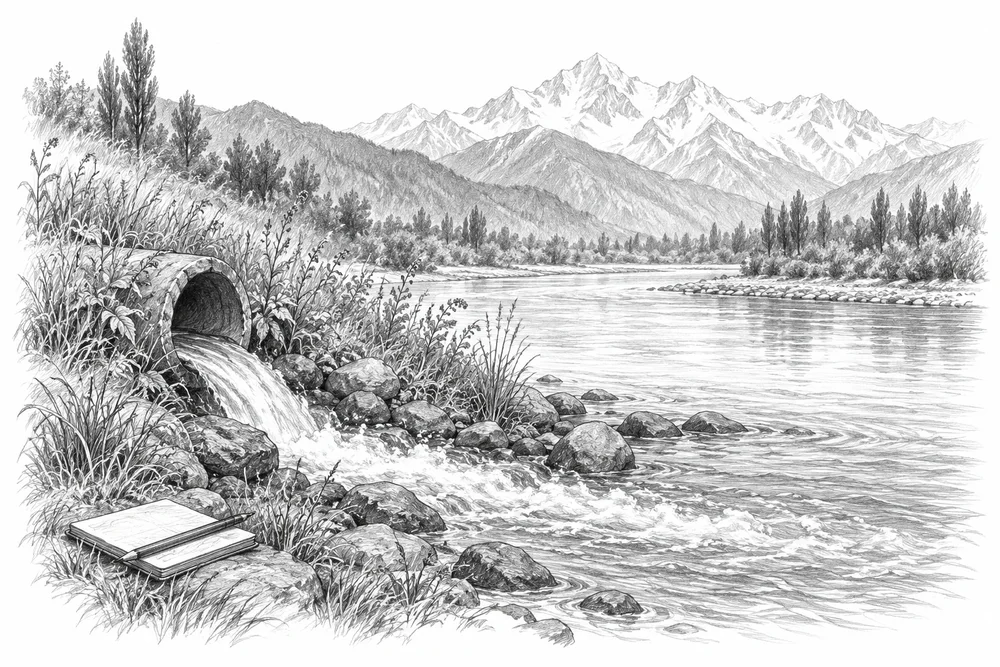
Build a drain-to-river inventory for a defined reach and follow the dominant pollution sources through to treatment options.
Explore the opportunity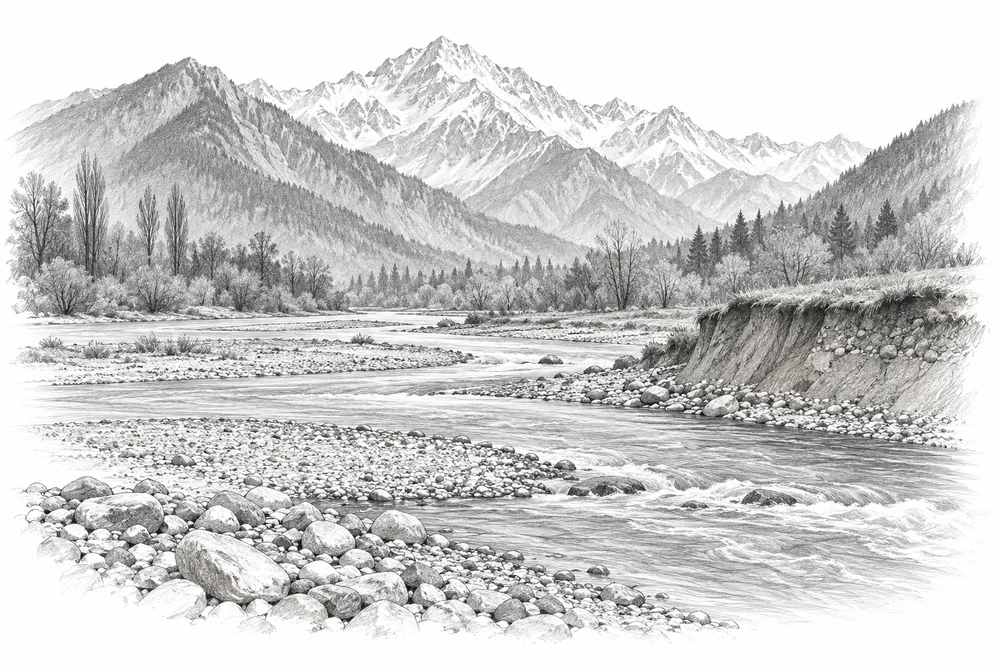
KVI-10 Local evidence
Document changes to selected extraction reaches and fish habitat to support evidence-based restoration discussions.
Explore the opportunity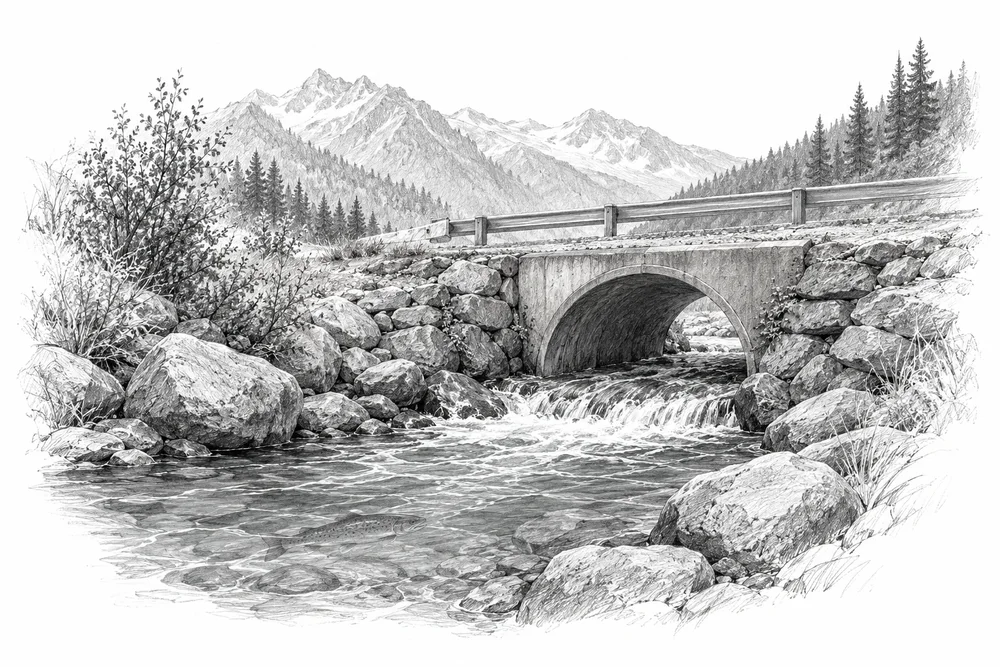
KVI-12 To investigate
Screen diversions, culverts and other barriers for ecological effects before proposing reconnection or flow work.
Explore the opportunityThis is a research and project proposal. The illustration is an editorial concept, not evidence of current site conditions or completed work.