Livestock Insurance
Community-managed sharing of verified livestock-loss risk. Any Kashmir scheme requires trusted governance, funds, veterinary evidence and a verified target species/landscape.
KVI-30 · Wildlife & connectivity
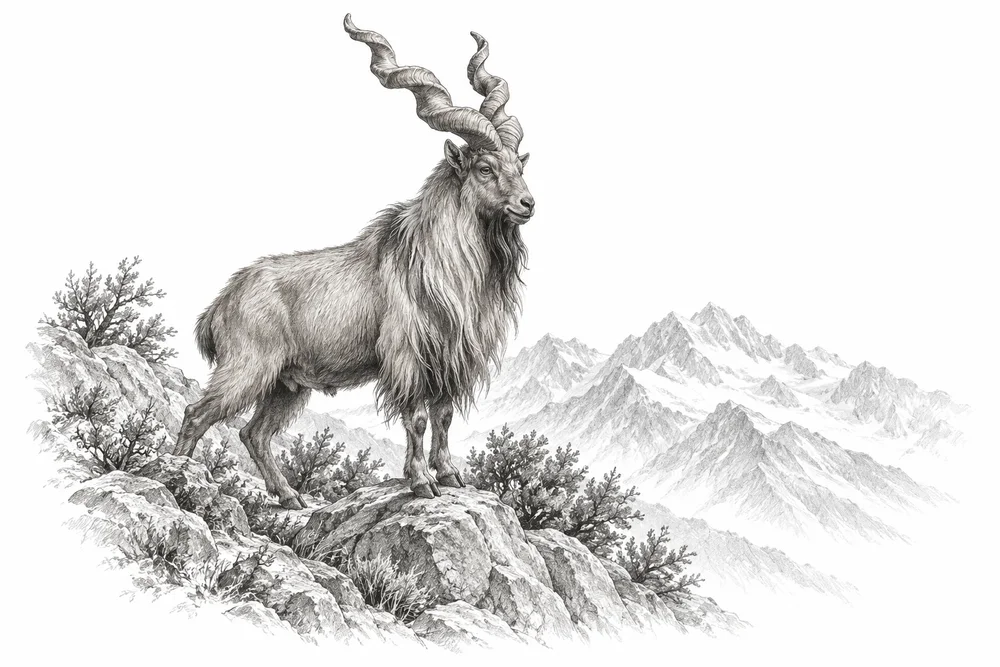
Develop separate species-and-site briefs for markhor and other verified priority taxa within the agreed geography.
UNDERSTANDING THE ISSUE
Threatened mountain species need separate habitat and pressure assessments. Regional markhor programme material is relevant context, but species occurrence and whether a candidate landscape falls within this project's agreed geography must be verified first.
The first phase would turn this broad issue into a bounded site investigation. Current condition, the cause of change and an accountable local partnership would guide whether an intervention is appropriate.
Habitat, movement and exposure differ between species and landscapes.
Local livelihoods and public safety are part of an effective conservation response.
Verified observations help direct effort while avoiding disturbance and protecting sensitive locations.
PROPOSED APPROACH
Develop separate species-and-site briefs for markhor and other verified priority taxa within the agreed geography.
Confirm the species, location, existing conservation work and the specific pressure with authorised partners.
Develop one species-and-site brief with a bounded contribution that complements ongoing work.
Choose species-appropriate habitat and pressure indicators with the specialist partner.
Confirm the species, location, existing conservation work and the specific pressure with authorised partners. Keep methods, dates, source records and unresolved questions together.
Develop one species-and-site brief with a bounded contribution that complements ongoing work. Identify responsibilities, permissions, costs and continuing care before proceeding.
Choose species-appropriate habitat and pressure indicators with the specialist partner. State what would count as success, failure or a reason to change course.
Local evidence
A locally relevant topic is documented by a cited source; current severity and site feasibility remain unassessed.
Kashmir and Pir Panjal programme areas
Official indexed report excerpt checked. Reference checked 2026-10-30. Site, time period and methods limit how this evidence can be applied to a new project.
These references offer methods to assess locally. They do not establish what will work at a selected Kashmir site.
Community-managed sharing of verified livestock-loss risk. Any Kashmir scheme requires trusted governance, funds, veterinary evidence and a verified target species/landscape.
Reference ecosystems, recovery attributes and monitoring. A framework, not evidence that a particular intervention works at a Kashmir site.
KVI-29 Local evidence
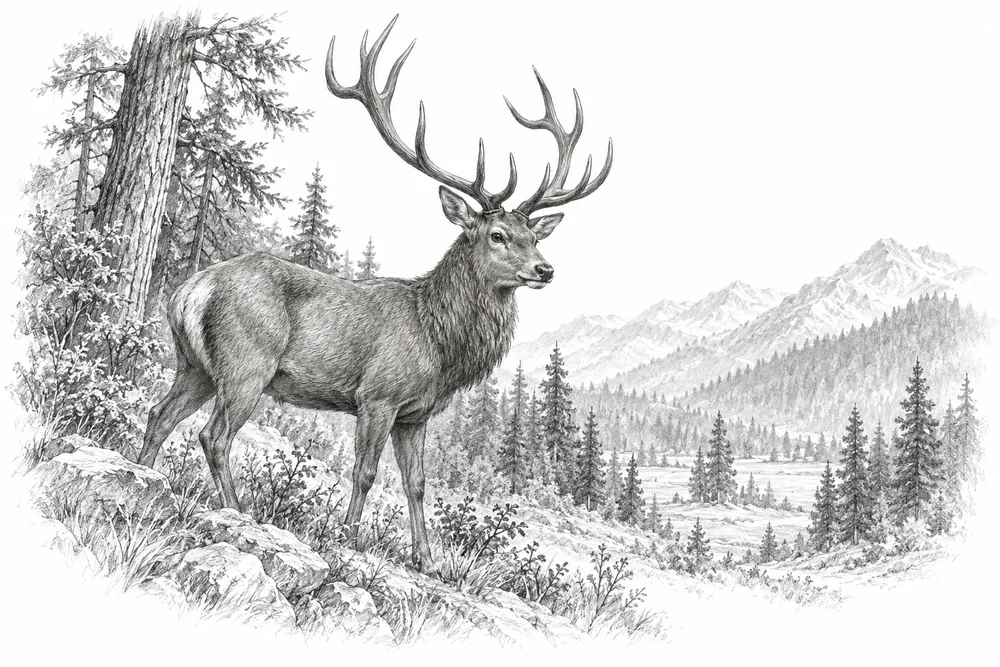
Support corridor and winter-habitat assessment with authorised partners, building on work already under way.
Explore the opportunity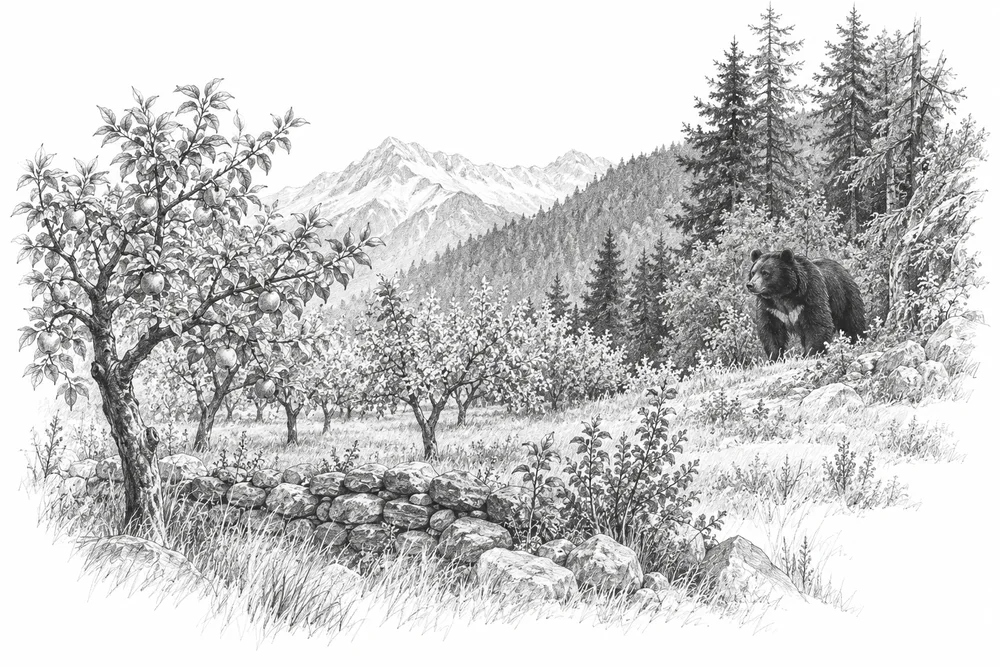
KVI-31 Local evidence
Map incidents and their causes, then test locally appropriate prevention with affected residents and wildlife specialists.
Explore the opportunity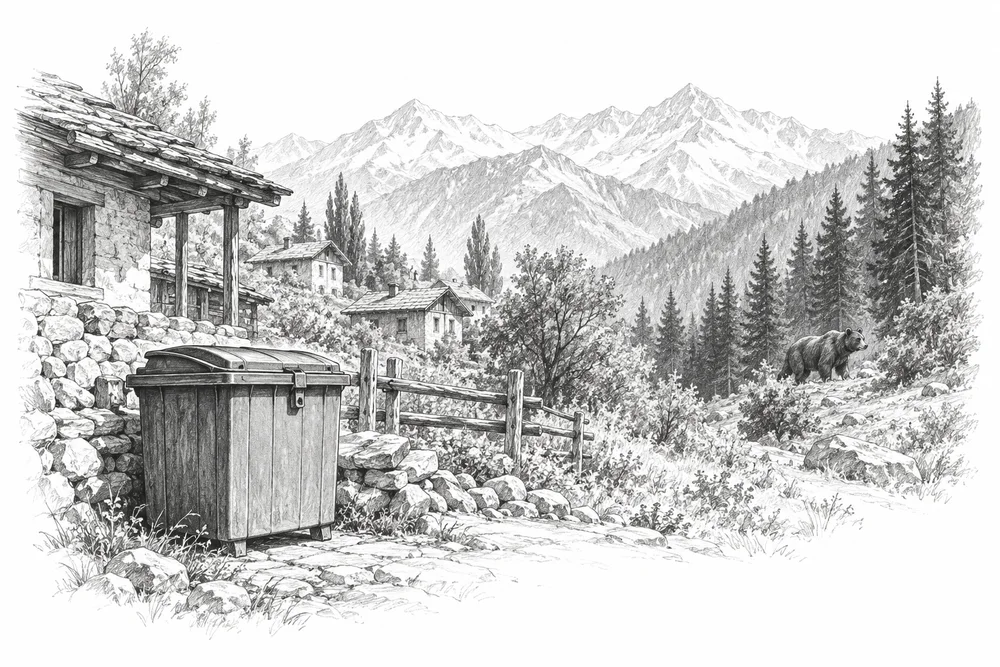
KVI-32 Local evidence
Prioritise secure food-waste handling around bear landscapes such as Sonamarg and monitor behaviour changes.
Explore the opportunityThis is a research and project proposal. The illustration is an editorial concept, not evidence of current site conditions or completed work.