Carry Me Back Project
Visitor and guide participation in recyclable waste transport. Requires safe sorting, a receiving recycler and workable logistics; do not transfer hazardous waste to visitors.
KVI-26 · Meadows & mountains
Work with guides, camps and receiving facilities on waste prevention, safe backhaul and sanitation needs.
UNDERSTANDING THE ISSUE
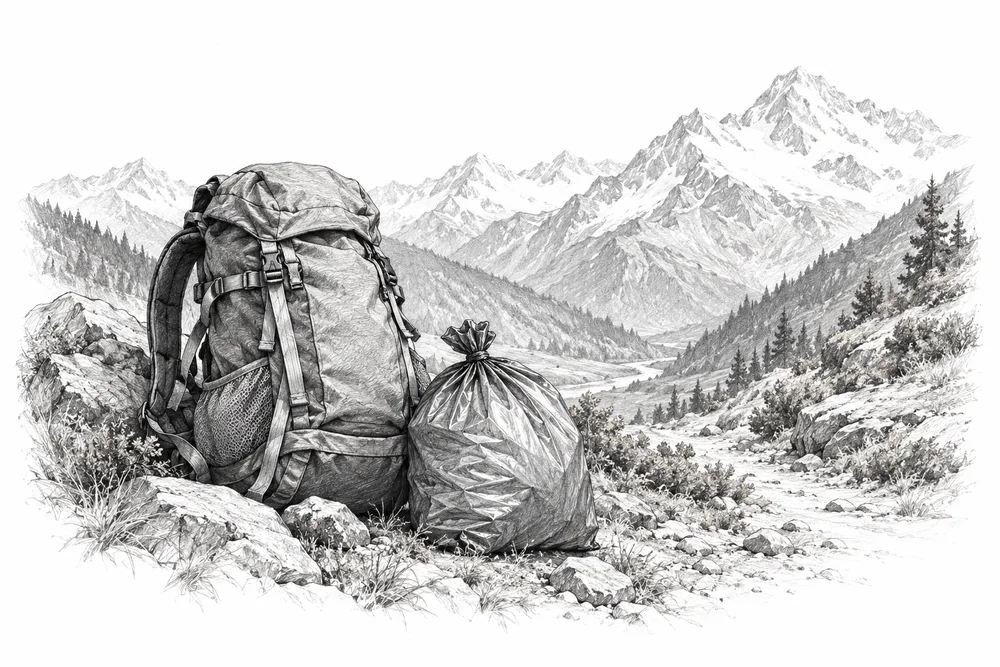
Waste left along trekking routes can persist where collection and receiving facilities are absent. Evidence from alpine pollution and mountain waste practice supports examining the full journey of material from purchase to safe receipt down-valley.
The first phase would turn this broad issue into a bounded site investigation. Current condition, the cause of change and an accountable local partnership would guide whether an intervention is appropriate.
Mountain vegetation, soils and water bodies require care suited to their condition and season.
Pastoralists, residents and visitors need a place in decisions about landscape use.
Repeat observations help distinguish lasting recovery from seasonal appearance.
PROPOSED APPROACH
Work with guides, camps and receiving facilities on waste prevention, safe backhaul and sanitation needs.
Audit one route's materials, camps, sanitation needs and available receiving facilities.
Agree prevention, sorting and safe backhaul with guides, operators and the receiving body.
Record material flows and receipts as well as repeat litter observations along the route.
Audit one route's materials, camps, sanitation needs and available receiving facilities. Keep methods, dates, source records and unresolved questions together.
Agree prevention, sorting and safe backhaul with guides, operators and the receiving body. Identify responsibilities, permissions, costs and continuing care before proceeding.
Record material flows and receipts as well as repeat litter observations along the route. State what would count as success, failure or a reason to change course.
Local evidence
A locally relevant topic is documented by a cited source; current severity and site feasibility remain unassessed.
Nundkol Lake
Publisher indexed abstract checked. Reference checked 2026-10-30. Site, time period and methods limit how this evidence can be applied to a new project.
These references offer methods to assess locally. They do not establish what will work at a selected Kashmir site.
Visitor and guide participation in recyclable waste transport. Requires safe sorting, a receiving recycler and workable logistics; do not transfer hazardous waste to visitors.
Collection, sorting, viable recovery and community-based mountain waste systems. Case description is not proof of local replication or adequate local end markets.
KVI-23 Local evidence
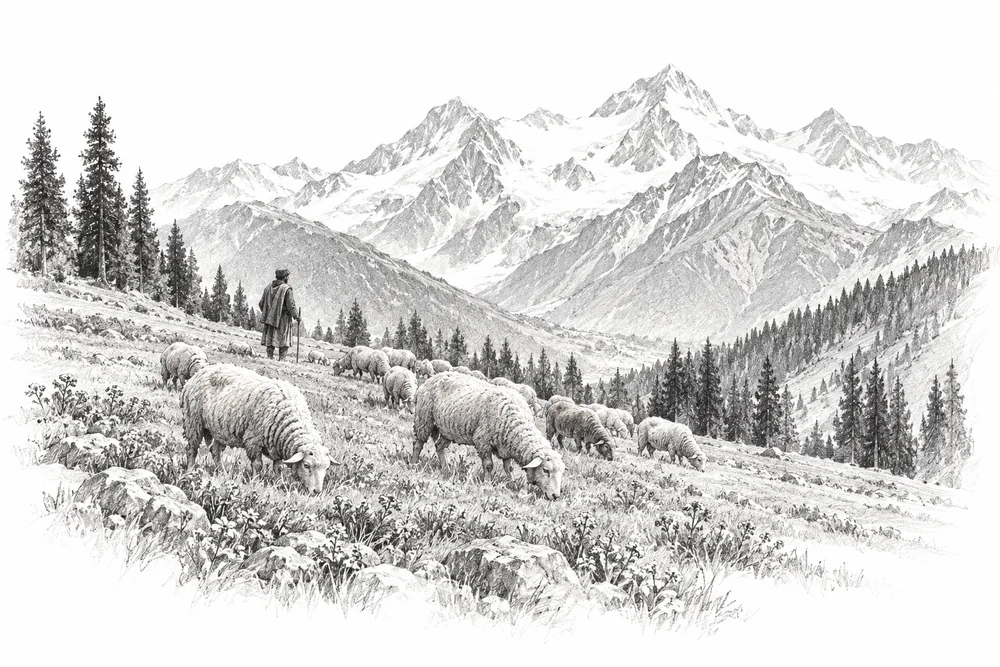
Co-design seasonal grazing and recovery trials with pastoralists using forage and vegetation measurements.
Explore the opportunity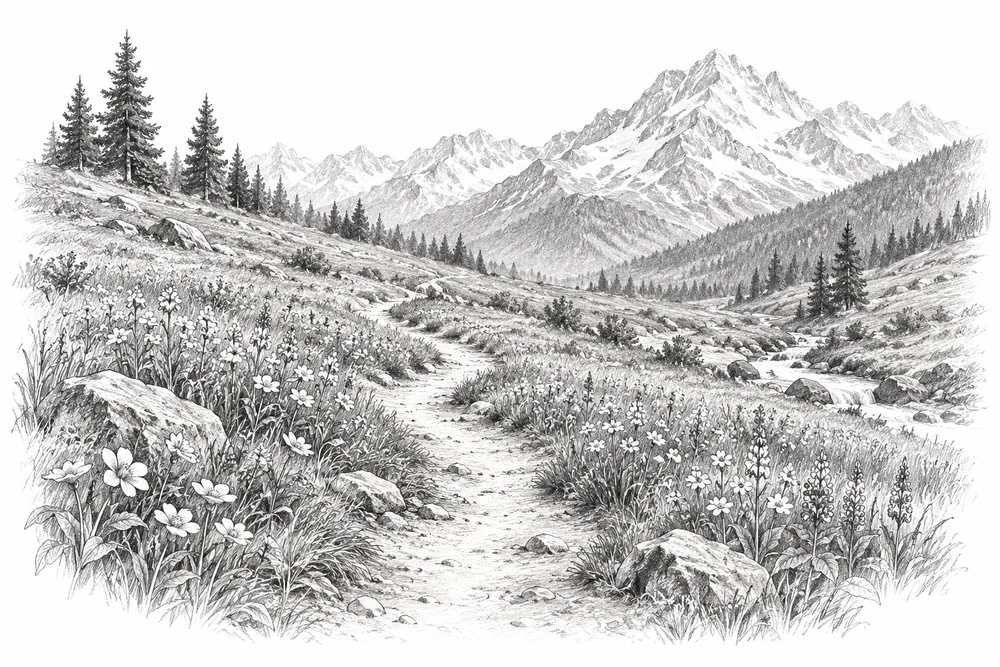
KVI-24 Local evidence
Compare affected and reference areas, then test routes, visitor guidance and small repairs at a named meadow.
Explore the opportunity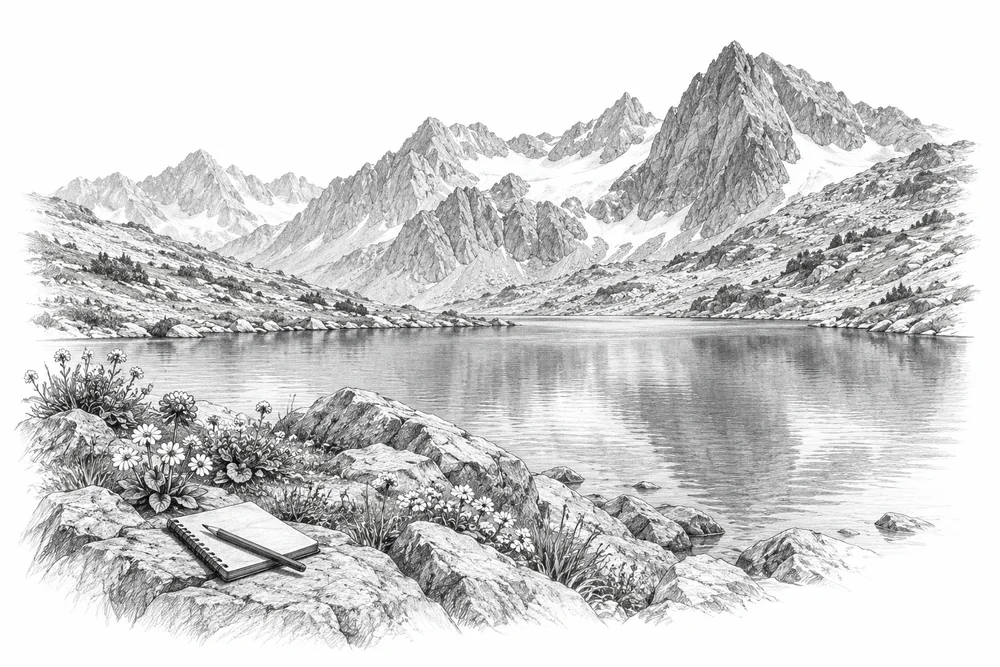
KVI-25 Local evidence
Create low-impact lake monitoring and source-prevention programmes suited to remote, sensitive sites.
Explore the opportunityThis is a research and project proposal. The illustration is an editorial concept, not evidence of current site conditions or completed work.