International Standards for the Practice of Ecological Restoration
Reference ecosystems, recovery attributes and monitoring. A framework, not evidence that a particular intervention works at a Kashmir site.
KVI-19 · Forests & native plants
Build prevention and reporting work around local fire history and forest-department planning, followed by recovery monitoring.
UNDERSTANDING THE ISSUE
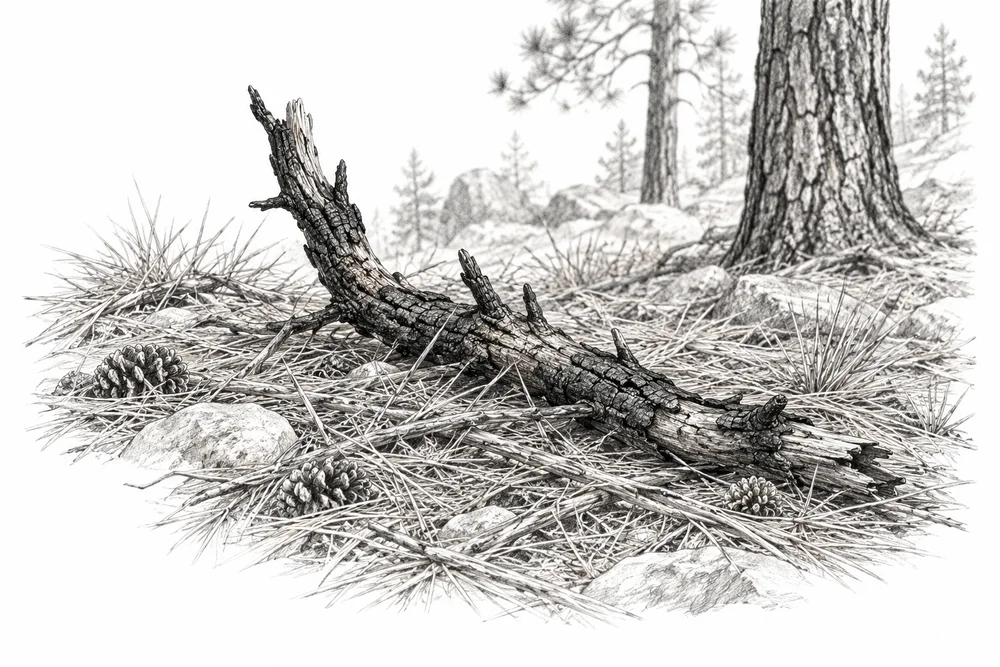
Regional forest-fire mapping provides context, while the current inventory does not establish the frequency or causes of fires at a candidate Kashmir site. Prevention should follow local fire history and forest-department planning rather than a generic treatment of all dry vegetation.
This opportunity begins with checking whether the suspected problem is present and significant at a named site. A field baseline, the relevant technical partners and local priorities would determine whether CCK should develop it further.
Species composition, regeneration and habitat structure matter alongside vegetation cover.
The reference ecosystem and the cause of damage should guide the choice of intervention.
Plant and habitat recovery can require continuing attention beyond an initial activity.
PROPOSED APPROACH
Build prevention and reporting work around local fire history and forest-department planning, followed by recovery monitoring.
Review incident records and identify local ignition patterns, exposed habitats and reporting arrangements.
Support an agreed prevention or early-reporting activity under the forest department's plan.
Track verified incidents, reporting quality and post-fire vegetation where relevant.
Review incident records and identify local ignition patterns, exposed habitats and reporting arrangements. Keep methods, dates, source records and unresolved questions together.
Support an agreed prevention or early-reporting activity under the forest department's plan. Identify responsibilities, permissions, costs and continuing care before proceeding.
Track verified incidents, reporting quality and post-fire vegetation where relevant. State what would count as success, failure or a reason to change course.
To investigate
Risk or delivery gap to investigate; listed sources supply context and do not establish its local extent.
West Himalaya, including J&K
Official indexed annexure excerpt checked. Reference checked 2026-10-30. Context for screening; this source does not establish the local extent of the proposed issue.
These references offer methods to assess locally. They do not establish what will work at a selected Kashmir site.
Reference ecosystems, recovery attributes and monitoring. A framework, not evidence that a particular intervention works at a Kashmir site.
Community and farmer stewardship of soil, water and native vegetation. Institutions and species differ; retain local pastoral and farmer rights.
KVI-16 Local evidence
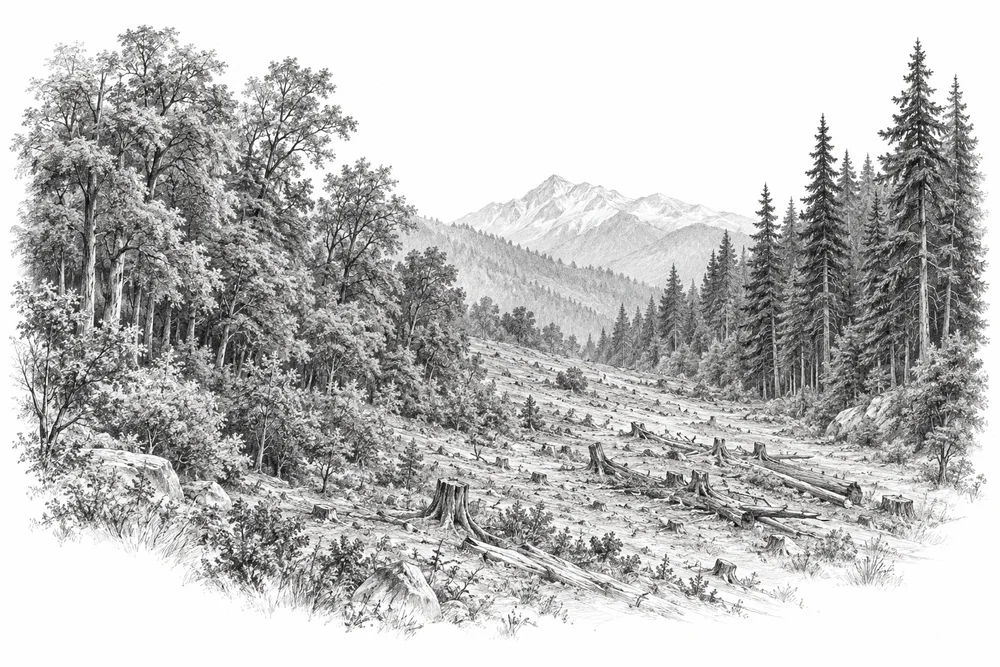
Locate damaged forest edges and broken habitat connections for targeted protection and restoration partnerships.
Explore the opportunity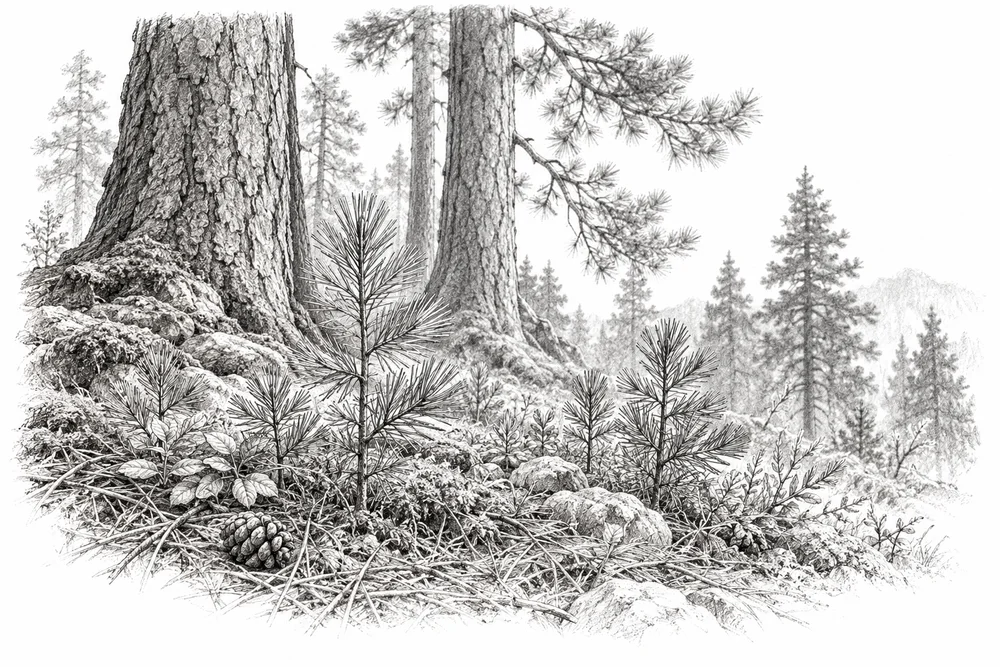
KVI-17 Local evidence
Test whether reducing the actual local stress allows native seedlings and vegetation to recover.
Explore the opportunity
KVI-18 Local evidence
Map confirmed damaging invaders, such as ox-eye daisy, and test recovery after carefully selected control methods.
Explore the opportunityThis is a research and project proposal. The illustration is an editorial concept, not evidence of current site conditions or completed work.