International Standards for the Practice of Ecological Restoration
Reference ecosystems, recovery attributes and monitoring. A framework, not evidence that a particular intervention works at a Kashmir site.
KVI-35 · Wildlife & connectivity
Check predation, disturbance and disease evidence around sensitive sites before designing humane veterinary partnerships.
UNDERSTANDING THE ISSUE
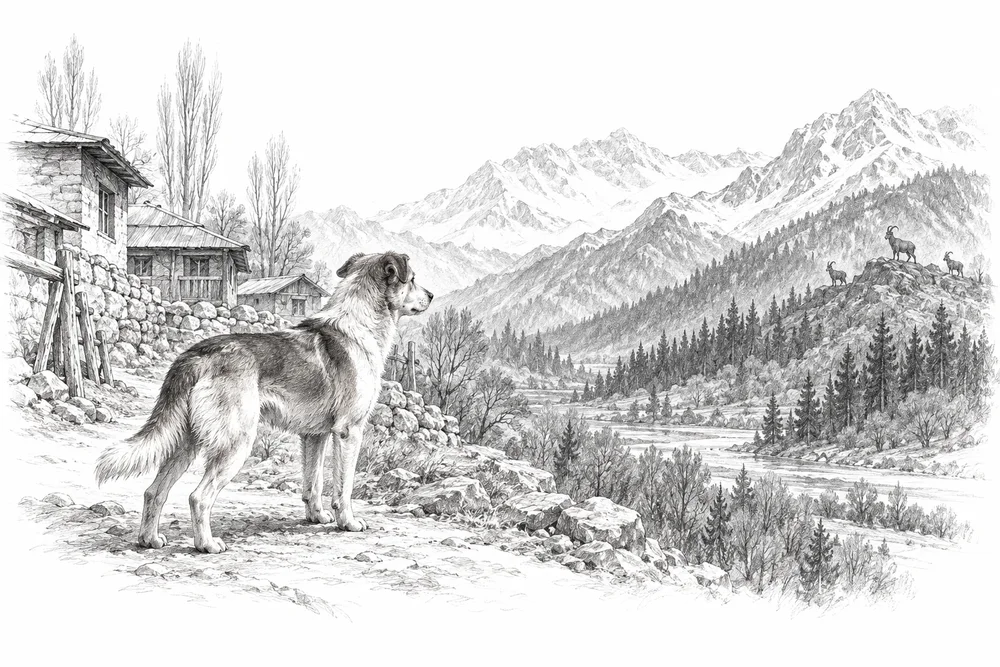
Free-ranging animals may affect wildlife through disturbance, predation or disease, but the present source set does not establish these effects at a selected Kashmir site. Humane management needs both ecological evidence and veterinary expertise.
This opportunity begins with checking whether the suspected problem is present and significant at a named site. A field baseline, the relevant technical partners and local priorities would determine whether CCK should develop it further.
Habitat, movement and exposure differ between species and landscapes.
Local livelihoods and public safety are part of an effective conservation response.
Verified observations help direct effort while avoiding disturbance and protecting sensitive locations.
PROPOSED APPROACH
Check predation, disturbance and disease evidence around sensitive sites before designing humane veterinary partnerships.
Verify incidents and disease concerns with wildlife staff, residents and qualified veterinary partners.
Develop a targeted animal-health or waste-access response only where a clear local pressure is established.
Track the relevant health, behaviour and wildlife-disturbance indicators.
Verify incidents and disease concerns with wildlife staff, residents and qualified veterinary partners. Keep methods, dates, source records and unresolved questions together.
Develop a targeted animal-health or waste-access response only where a clear local pressure is established. Identify responsibilities, permissions, costs and continuing care before proceeding.
Track the relevant health, behaviour and wildlife-disturbance indicators. State what would count as success, failure or a reason to change course.
To investigate
Risk or delivery gap to investigate; listed sources supply context and do not establish its local extent.
Kashmir hangul landscape
Official programme page checked. Reference checked 2026-10-30. Context for screening; this source does not establish the local extent of the proposed issue.
These references offer methods to assess locally. They do not establish what will work at a selected Kashmir site.
Reference ecosystems, recovery attributes and monitoring. A framework, not evidence that a particular intervention works at a Kashmir site.
KVI-29 Local evidence
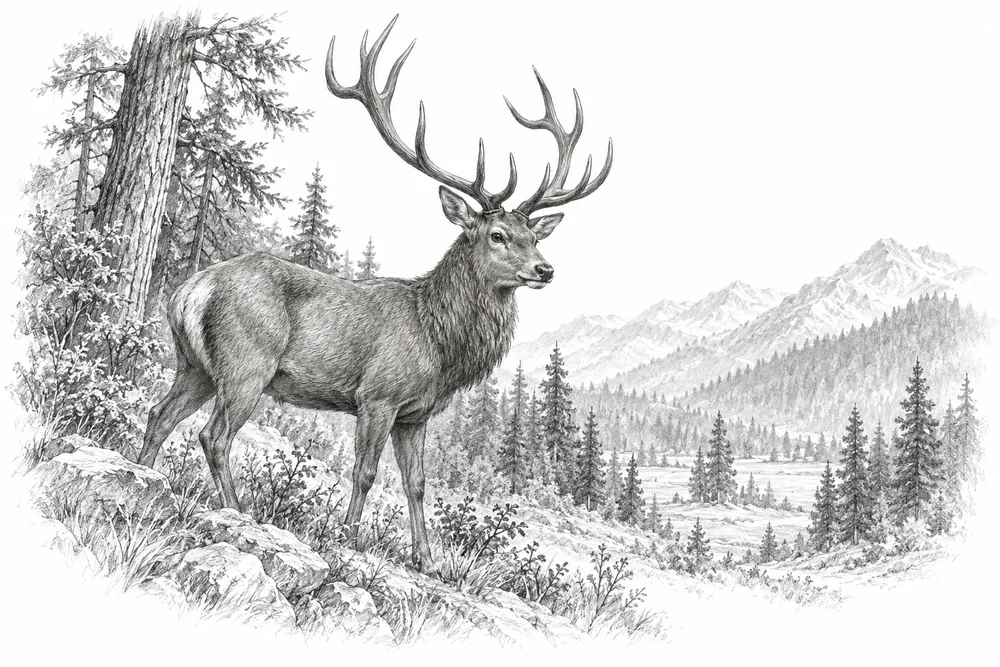
Support corridor and winter-habitat assessment with authorised partners, building on work already under way.
Explore the opportunity
KVI-30 Local evidence
Develop separate species-and-site briefs for markhor and other verified priority taxa within the agreed geography.
Explore the opportunity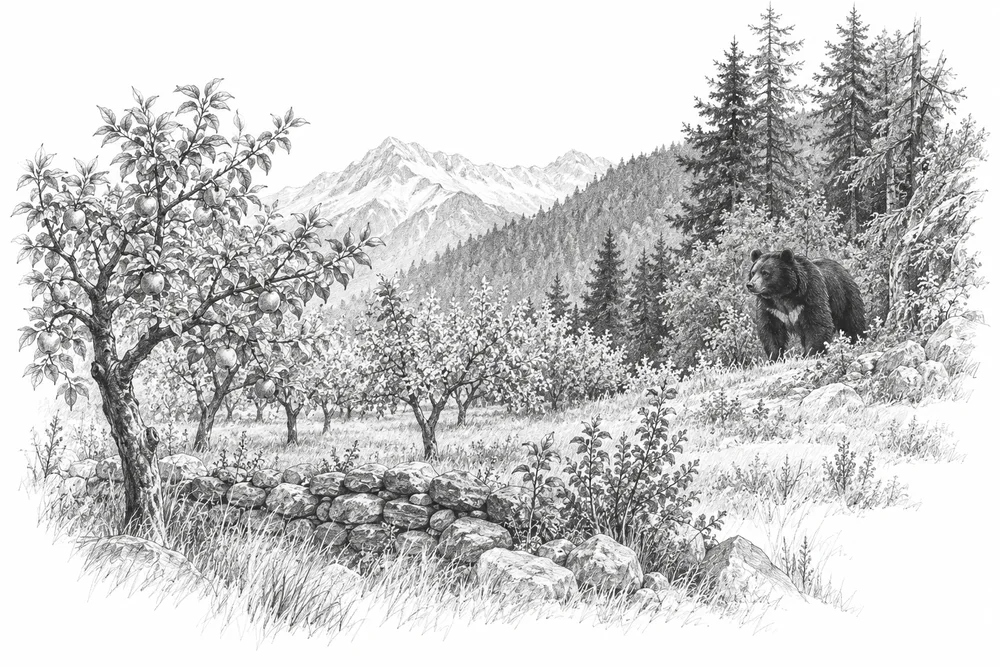
KVI-31 Local evidence
Map incidents and their causes, then test locally appropriate prevention with affected residents and wildlife specialists.
Explore the opportunityThis is a research and project proposal. The illustration is an editorial concept, not evidence of current site conditions or completed work.