International Standards for the Practice of Ecological Restoration
Reference ecosystems, recovery attributes and monitoring. A framework, not evidence that a particular intervention works at a Kashmir site.
KVI-28 · Meadows & mountains
Establish repeat observation plots and photo points to detect changes in vegetation and wetland condition.
UNDERSTANDING THE ISSUE
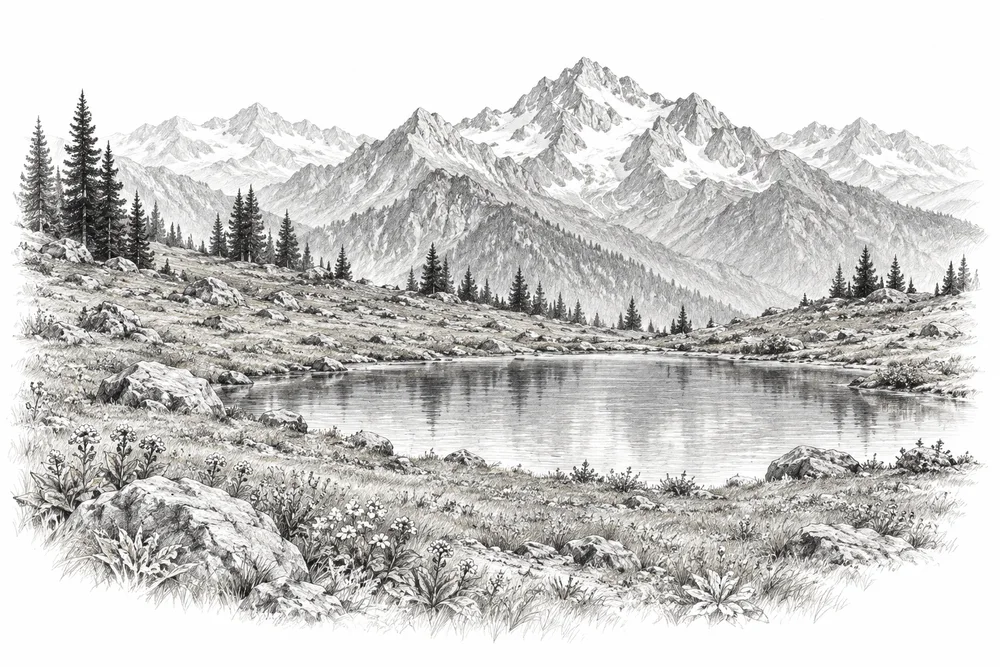
Alpine vegetation and wetlands may respond to changing snow, water and visitor pressure. The present evidence provides regional context rather than a demonstrated trend for every habitat, so repeated observations are the starting point.
This opportunity begins with checking whether the suspected problem is present and significant at a named site. A field baseline, the relevant technical partners and local priorities would determine whether CCK should develop it further.
Mountain vegetation, soils and water bodies require care suited to their condition and season.
Pastoralists, residents and visitors need a place in decisions about landscape use.
Repeat observations help distinguish lasting recovery from seasonal appearance.
PROPOSED APPROACH
Establish repeat observation plots and photo points to detect changes in vegetation and wetland condition.
Select sensitive habitat and repeatable observation locations with an alpine ecologist.
Establish a small monitoring partnership using fixed methods and low-disturbance visits.
Compare vegetation, soil moisture and snow persistence while recording grazing and visitor context.
Select sensitive habitat and repeatable observation locations with an alpine ecologist. Keep methods, dates, source records and unresolved questions together.
Establish a small monitoring partnership using fixed methods and low-disturbance visits. Identify responsibilities, permissions, costs and continuing care before proceeding.
Compare vegetation, soil moisture and snow persistence while recording grazing and visitor context. State what would count as success, failure or a reason to change course.
To investigate
Risk or delivery gap to investigate; listed sources supply context and do not establish its local extent.
Kashmir Valley; 1984-2021
Publisher abstract checked. Reference checked 2026-10-30. Context for screening; this source does not establish the local extent of the proposed issue.
Sind basin, Ganderbal
Publisher indexed abstract/results excerpts checked. Reference checked 2026-10-30. Context for screening; this source does not establish the local extent of the proposed issue.
These references offer methods to assess locally. They do not establish what will work at a selected Kashmir site.
Reference ecosystems, recovery attributes and monitoring. A framework, not evidence that a particular intervention works at a Kashmir site.
Repeatable community observations and nutrient/turbidity sampling. Volunteer observations require quality assurance and do not replace laboratory or statutory assessments.
KVI-23 Local evidence
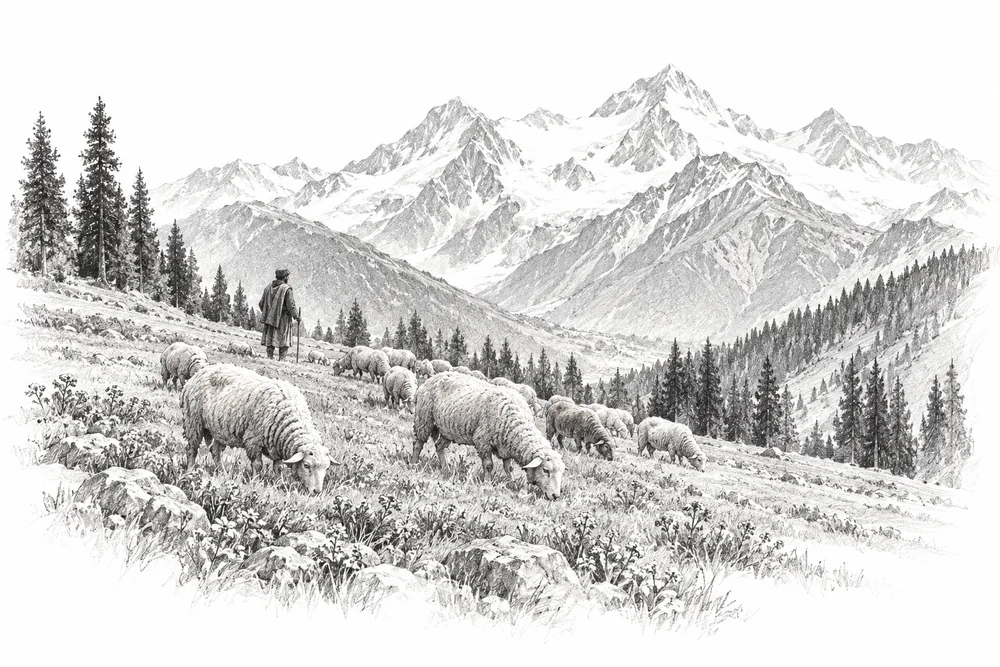
Co-design seasonal grazing and recovery trials with pastoralists using forage and vegetation measurements.
Explore the opportunity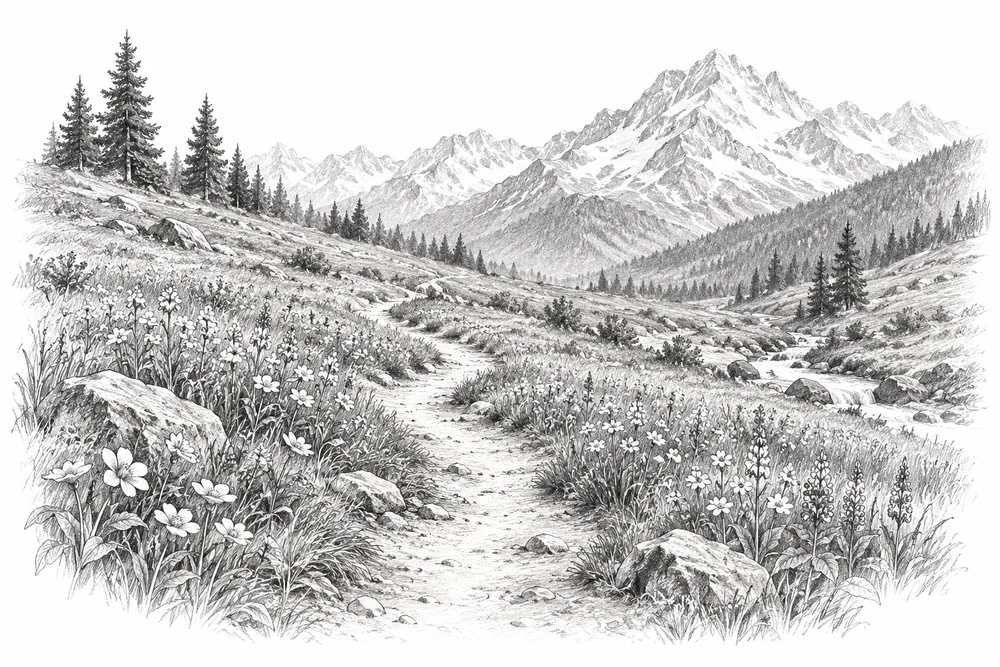
KVI-24 Local evidence
Compare affected and reference areas, then test routes, visitor guidance and small repairs at a named meadow.
Explore the opportunity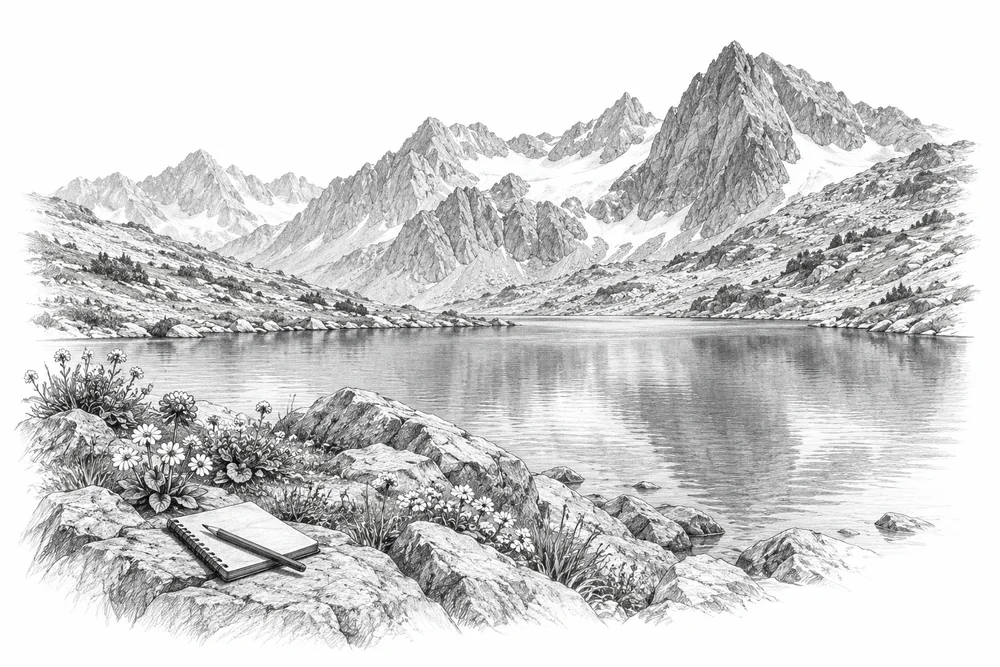
KVI-25 Local evidence
Create low-impact lake monitoring and source-prevention programmes suited to remote, sensitive sites.
Explore the opportunityThis is a research and project proposal. The illustration is an editorial concept, not evidence of current site conditions or completed work.