The story of Ljubljana
Separate collection, reuse and waste prevention. Historical case and targets; no claim that a dated 2025 target was achieved or that Kashmir has the same municipal capacity.
KVI-50 · Waste & pollution
Test separation, waste prevention and well-operated composting at a market, campus or neighbourhood.
UNDERSTANDING THE ISSUE
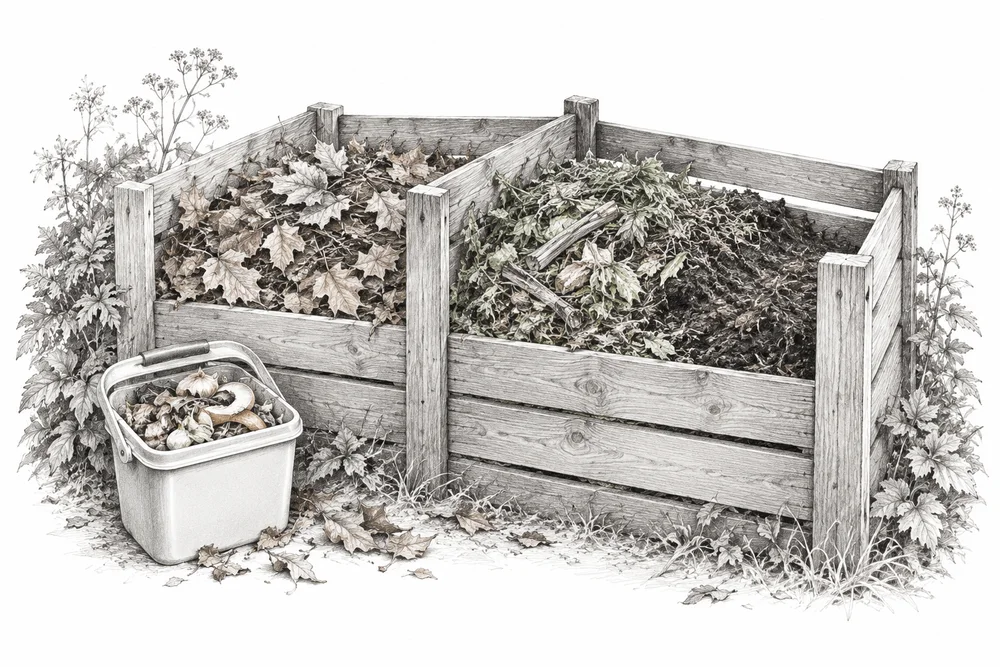
Organic waste can become a source of odour, pests or polluted runoff when handling is unreliable. A composting project needs suitable materials, operating care, space and a user for the finished product before equipment or bins are selected.
The first phase would turn this broad issue into a bounded site investigation. Current condition, the cause of change and an accountable local partnership would guide whether an intervention is appropriate.
Understanding where material escapes is necessary to keep a cleaned site from being polluted again.
Collection needs a suitable receiving destination and dependable handover.
People, resources and service reliability determine whether the system continues to work.
PROPOSED APPROACH
Test separation, waste prevention and well-operated composting at a market, campus or neighbourhood.
Measure the organics stream and assess contamination, site suitability, staffing and product use.
Test separation and a small properly operated composting arrangement with a committed host.
Track inputs, contamination, process condition and use of the finished compost.
Measure the organics stream and assess contamination, site suitability, staffing and product use. Keep methods, dates, source records and unresolved questions together.
Test separation and a small properly operated composting arrangement with a committed host. Identify responsibilities, permissions, costs and continuing care before proceeding.
Track inputs, contamination, process condition and use of the finished compost. State what would count as success, failure or a reason to change course.
Local evidence
A locally relevant topic is documented by a cited source; current severity and site feasibility remain unassessed.
J&K ULBs; includes Kashmir; audit period to March 2022
Official chapter listing and indexed report excerpts checked. Reference checked 2026-10-30. Site, time period and methods limit how this evidence can be applied to a new project.
Sonamarg landscape
Organisation's own research update checked through indexed excerpt. Reference checked 2026-10-30. Site, time period and methods limit how this evidence can be applied to a new project.
These references offer methods to assess locally. They do not establish what will work at a selected Kashmir site.
Separate collection, reuse and waste prevention. Historical case and targets; no claim that a dated 2025 target was achieved or that Kashmir has the same municipal capacity.
Collection, sorting, viable recovery and community-based mountain waste systems. Case description is not proof of local replication or adequate local end markets.
KVI-49 Local evidence
Build a small collection-and-prevention system with a verified destination for every material stream.
Explore the opportunity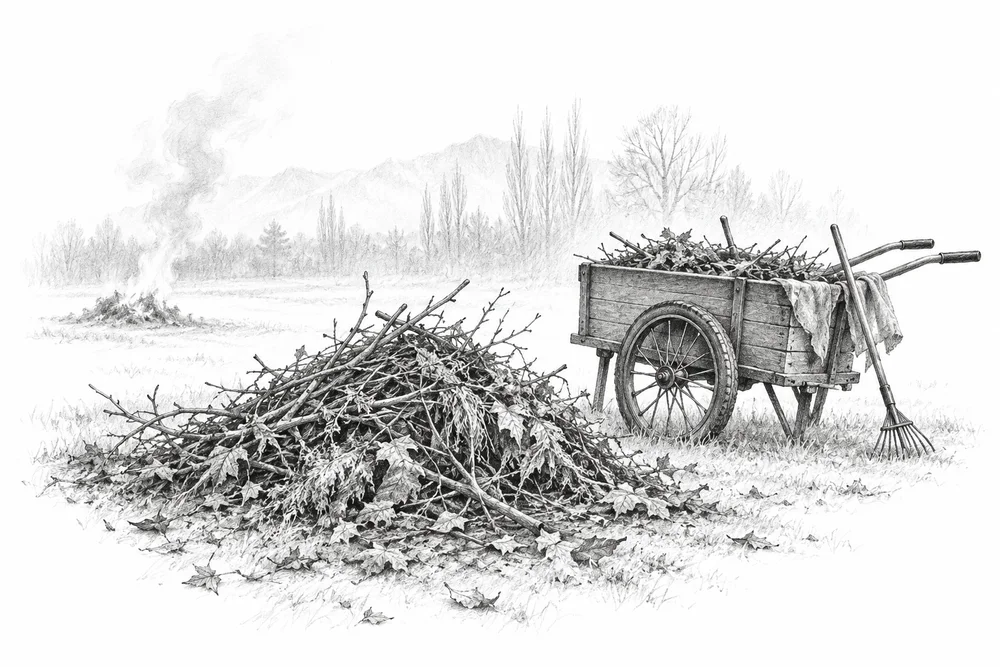
KVI-51 Local evidence
Identify local burning sources and pair behaviour change with workable collection or material-use alternatives.
Explore the opportunity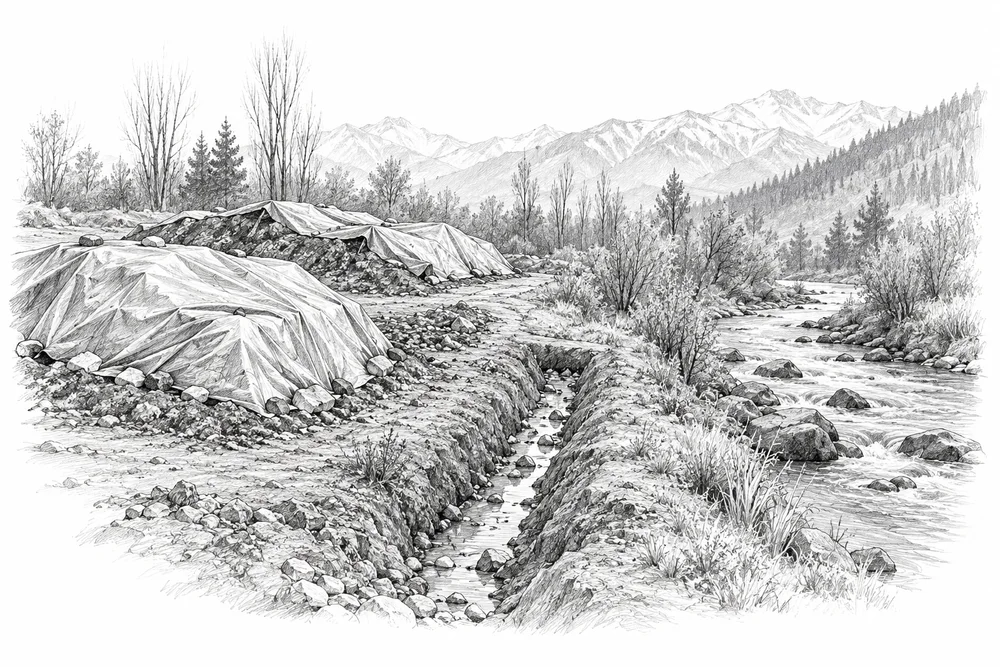
KVI-52 To investigate
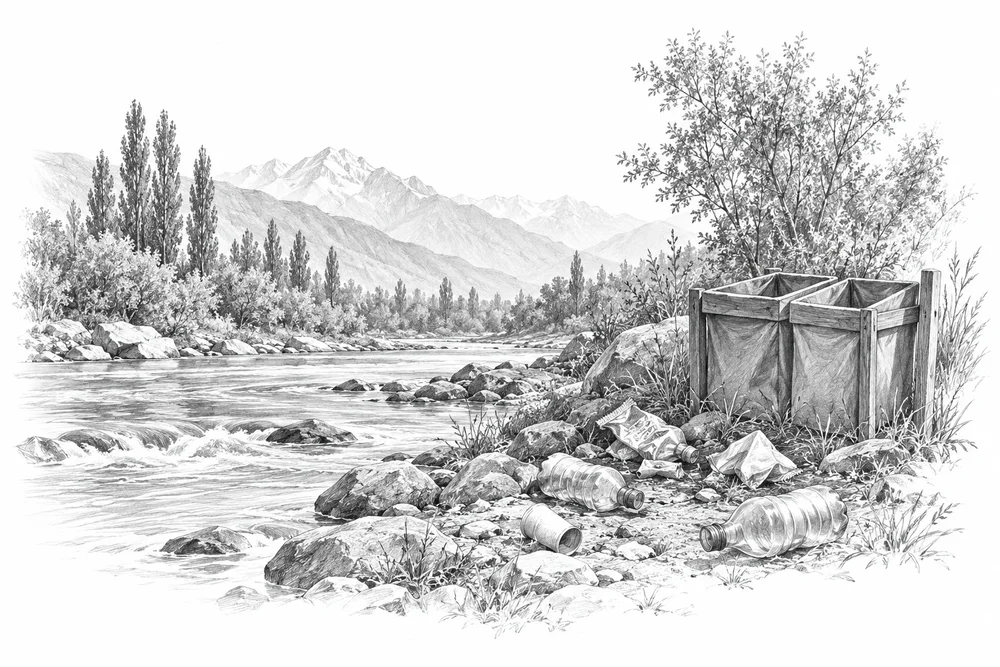
Map water pathways from a selected waste site and support the responsible agency with monitoring and remediation options.
Explore the opportunityThis is a research and project proposal. The illustration is an editorial concept, not evidence of current site conditions or completed work.