The story of Ljubljana
Separate collection, reuse and waste prevention. Historical case and targets; no claim that a dated 2025 target was achieved or that Kashmir has the same municipal capacity.
KVI-53 · Waste & pollution
Check local disposal practices and develop a source-separation, reuse or accountable receiving-site pilot.
UNDERSTANDING THE ISSUE
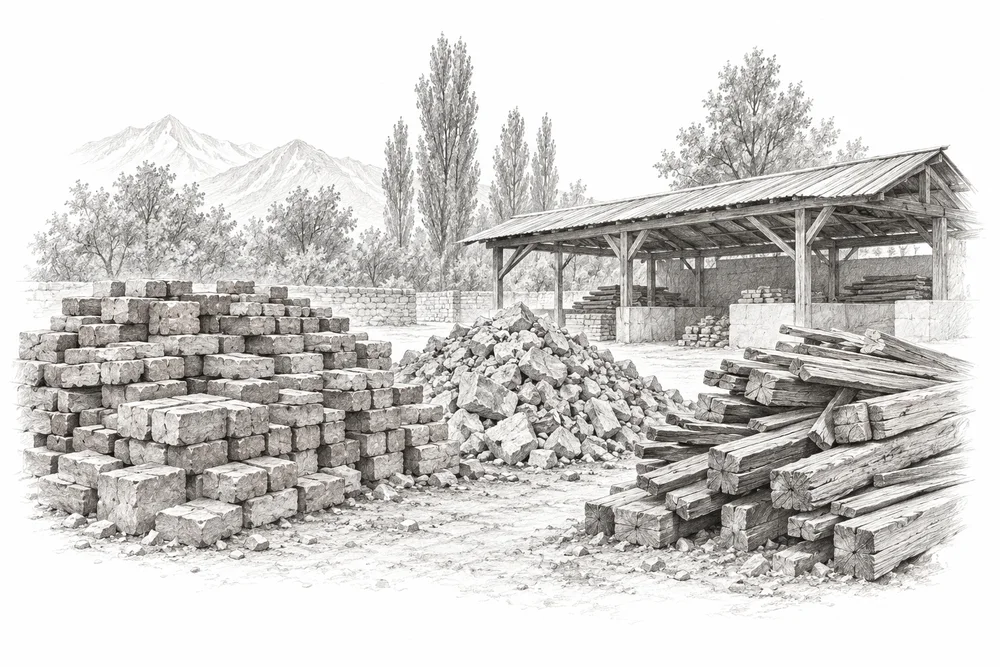
Construction and demolition materials can occupy open land or enter drains when receiving arrangements are weak. The inventory treats this as a local screening question; waste composition, volumes and existing authorised facilities must be checked first.
This opportunity begins with checking whether the suspected problem is present and significant at a named site. A field baseline, the relevant technical partners and local priorities would determine whether CCK should develop it further.
Understanding where material escapes is necessary to keep a cleaned site from being polluted again.
Collection needs a suitable receiving destination and dependable handover.
People, resources and service reliability determine whether the system continues to work.
PROPOSED APPROACH
Check local disposal practices and develop a source-separation, reuse or accountable receiving-site pilot.
Trace materials from a small set of building sites to their current destinations.
Test source separation and accountable reuse or receipt with builders and a suitable receiving operator.
Track quantities, contamination and documented receipt rather than collection alone.
Trace materials from a small set of building sites to their current destinations. Keep methods, dates, source records and unresolved questions together.
Test source separation and accountable reuse or receipt with builders and a suitable receiving operator. Identify responsibilities, permissions, costs and continuing care before proceeding.
Track quantities, contamination and documented receipt rather than collection alone. State what would count as success, failure or a reason to change course.
To investigate
Risk or delivery gap to investigate; listed sources supply context and do not establish its local extent.
J&K ULBs; includes Kashmir; audit period to March 2022
Official chapter listing and indexed report excerpts checked. Reference checked 2026-10-30. Context for screening; this source does not establish the local extent of the proposed issue.
These references offer methods to assess locally. They do not establish what will work at a selected Kashmir site.
Separate collection, reuse and waste prevention. Historical case and targets; no claim that a dated 2025 target was achieved or that Kashmir has the same municipal capacity.
KVI-49 Local evidence
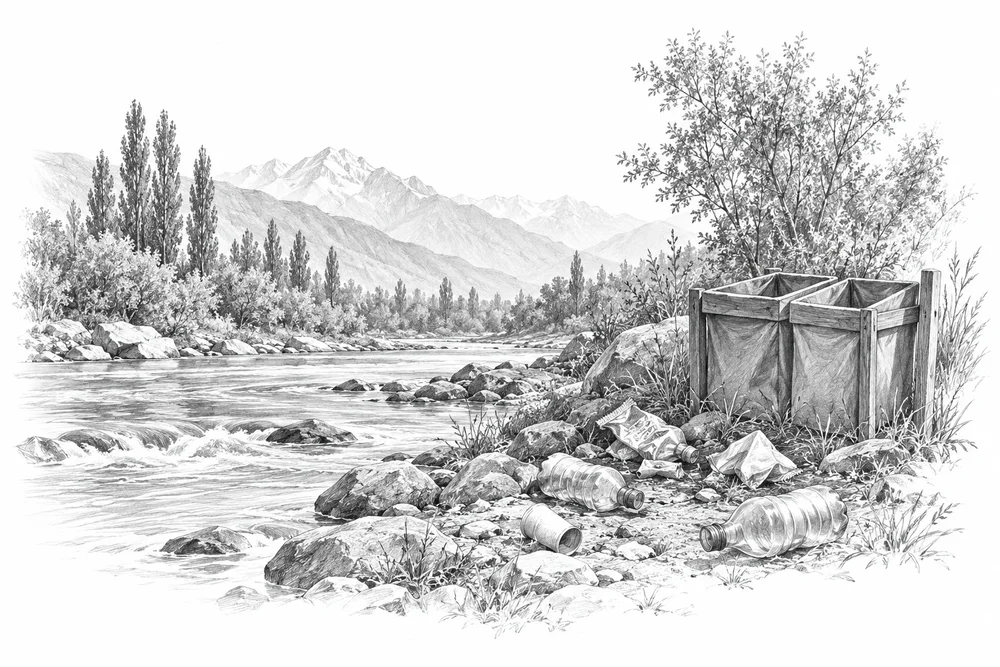
Build a small collection-and-prevention system with a verified destination for every material stream.
Explore the opportunity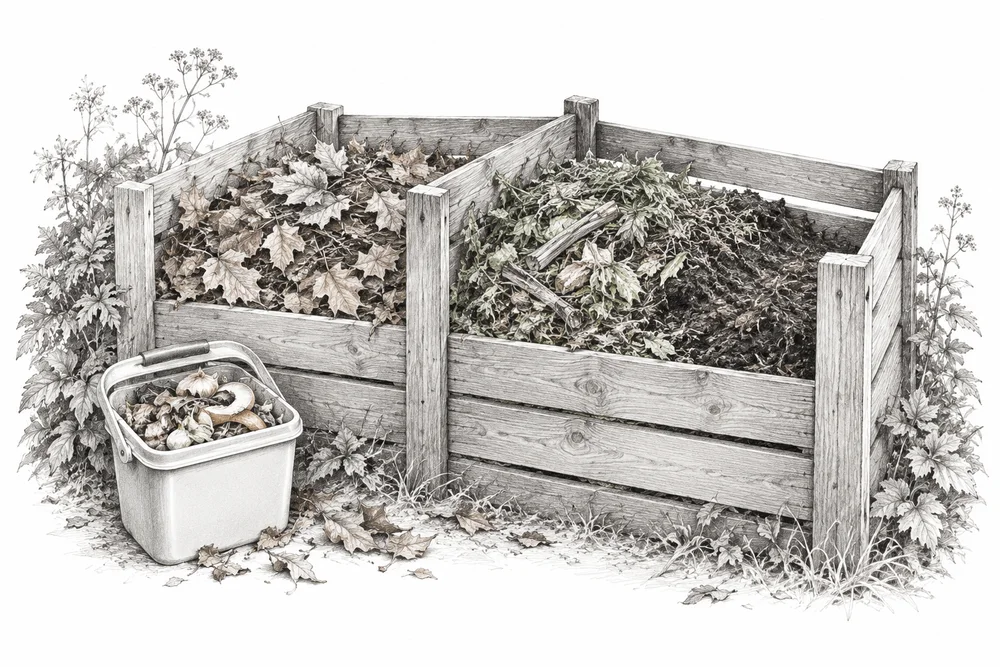
KVI-50 Local evidence
Test separation, waste prevention and well-operated composting at a market, campus or neighbourhood.
Explore the opportunity
KVI-51 Local evidence
Identify local burning sources and pair behaviour change with workable collection or material-use alternatives.
Explore the opportunityThis is a research and project proposal. The illustration is an editorial concept, not evidence of current site conditions or completed work.