Global flyways
Connected networks of migration and wetland habitats with local partners. Kashmir is part of the Central Asian Flyway; do not imply it lies within the East Asian-Australasian programme footprint.
KVI-48 · Towns & everyday places
Measure disturbance near sensitive habitat and explore seasonal quiet areas and better visitor arrangements.
UNDERSTANDING THE ISSUE
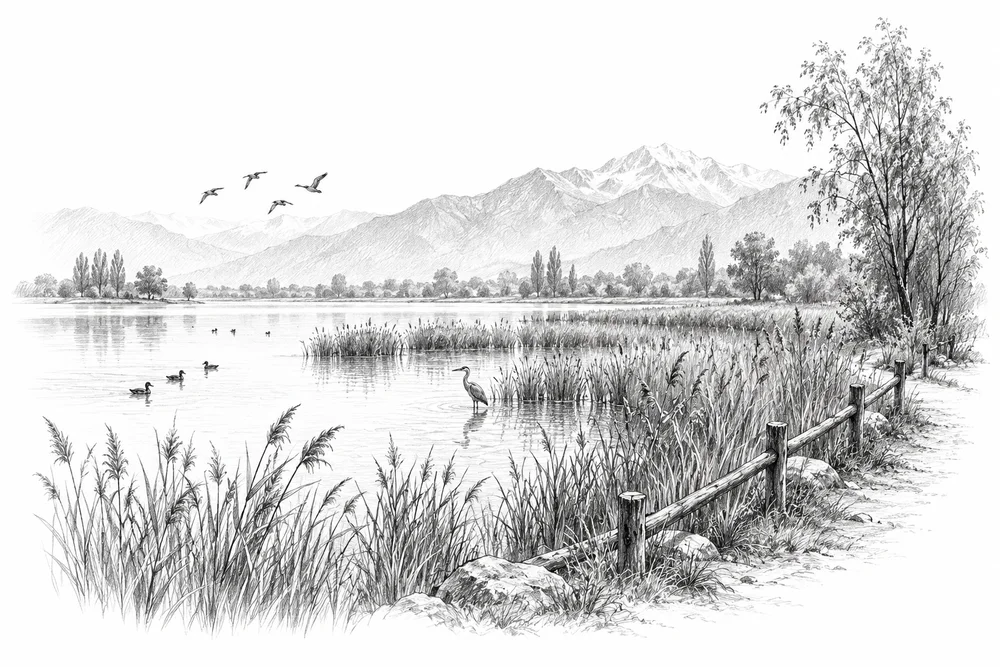
Visitor movement and noise can disturb wildlife, but the inventory does not establish a local effect or threshold for every site. A useful proposal needs to link specific activities, seasons and species responses before setting access arrangements.
This opportunity begins with checking whether the suspected problem is present and significant at a named site. A field baseline, the relevant technical partners and local priorities would determine whether CCK should develop it further.
Trees, soil, water and small habitat patches can be considered within everyday public spaces.
Access, cultural meaning and routine maintenance should shape the design.
A named custodian and a realistic care arrangement give a small project a chance to last.
PROPOSED APPROACH
Measure disturbance near sensitive habitat and explore seasonal quiet areas and better visitor arrangements.
Observe disturbance events, habitat use and visitor patterns using a repeatable, non-intrusive method.
Explore a seasonal quiet area or revised visitor route with custodians and users.
Compare disturbance frequency and habitat use while recording visitor compliance and access effects.
Observe disturbance events, habitat use and visitor patterns using a repeatable, non-intrusive method. Keep methods, dates, source records and unresolved questions together.
Explore a seasonal quiet area or revised visitor route with custodians and users. Identify responsibilities, permissions, costs and continuing care before proceeding.
Compare disturbance frequency and habitat use while recording visitor compliance and access effects. State what would count as success, failure or a reason to change course.
To investigate
Risk or delivery gap to investigate; listed sources supply context and do not establish its local extent.
Hokera/Hokersar
Official indexed document excerpts checked. Reference checked 2026-10-30. Context for screening; this source does not establish the local extent of the proposed issue.
Hygam
Official indexed document excerpts checked. Reference checked 2026-10-30. Context for screening; this source does not establish the local extent of the proposed issue.
These references offer methods to assess locally. They do not establish what will work at a selected Kashmir site.
Connected networks of migration and wetland habitats with local partners. Kashmir is part of the Central Asian Flyway; do not imply it lies within the East Asian-Australasian programme footprint.
KVI-43 Local evidence
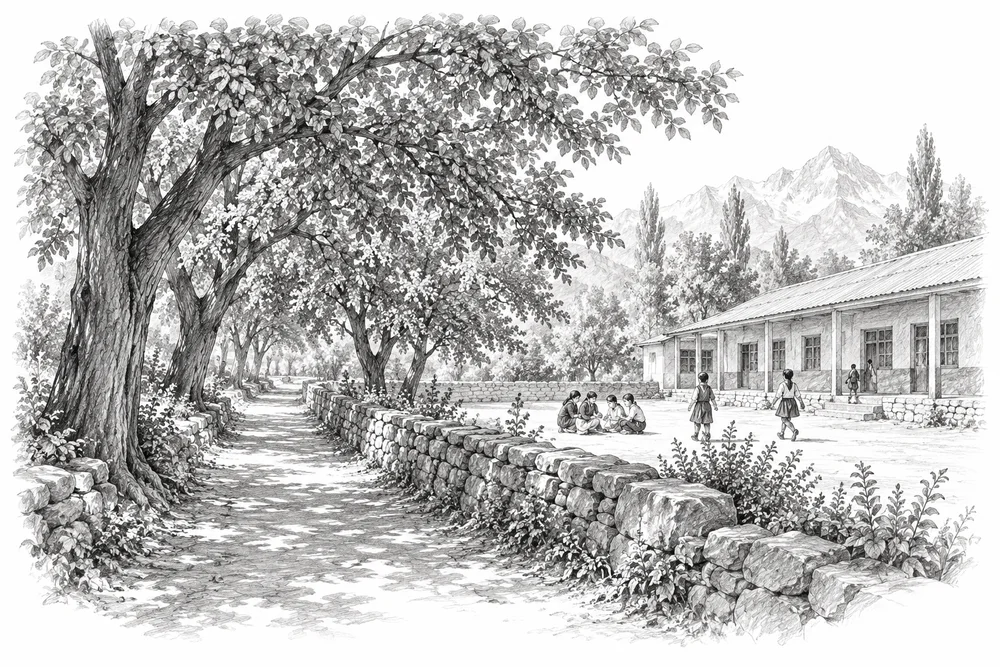
Map canopy gaps and develop shade-and-habitat projects with long-term tree care at suitable public sites.
Explore the opportunity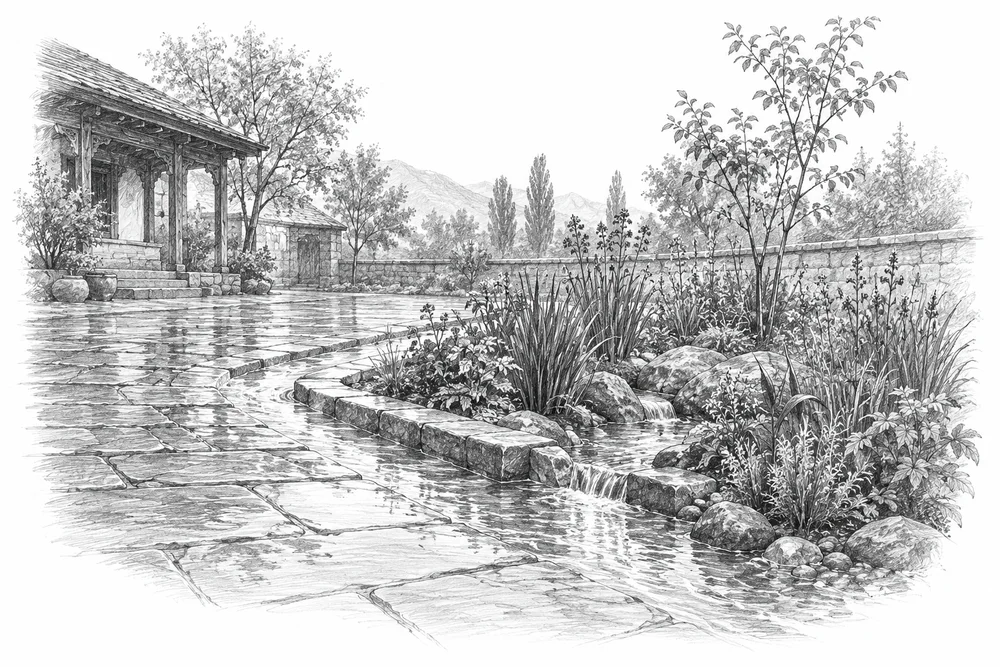
KVI-44 Local evidence
Assess opportunities to retain infiltration and surface-water routes in selected public landscapes.
Explore the opportunity
KVI-45 Local evidence
Explore appropriate habitat care in schools, parks, graveyards and campuses with their users and custodians.
Explore the opportunityThis is a research and project proposal. The illustration is an editorial concept, not evidence of current site conditions or completed work.