KVI-01 Local evidence
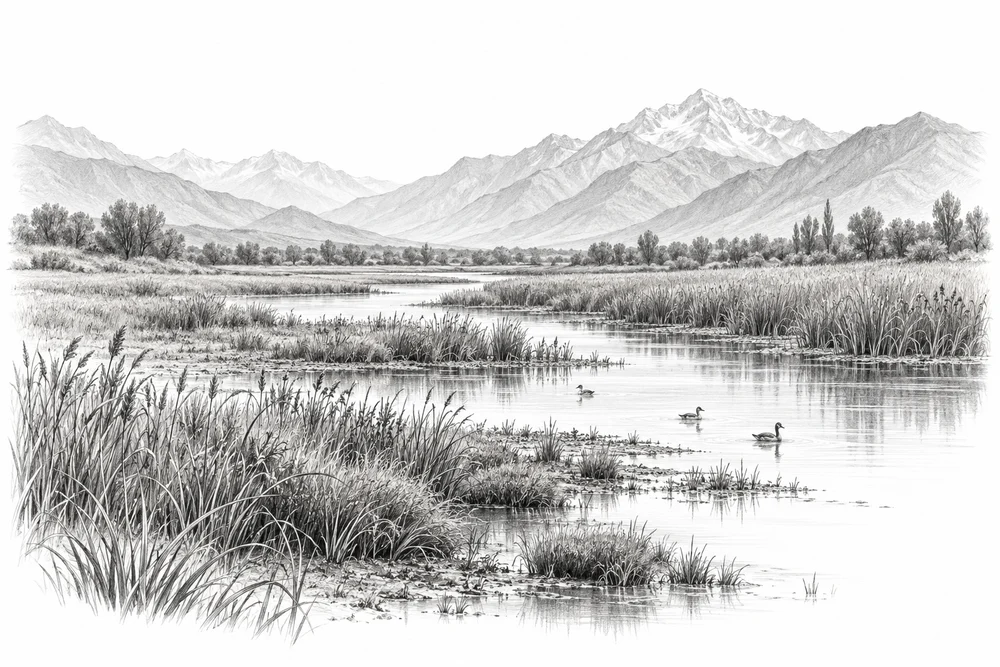
Protecting wetland edges
Understand where wetlands are being lost or altered, and where protection could begin.
Explore the opportunityPROJECTS
Explore 60 opportunities to protect and restore ecosystems across the Kashmir Valley and its catchments.
Existing initiativesResearch and project proposals. Sites, partnerships and fieldwork are still to be agreed.
Try a broader search or choose another theme.
8 opportunities
KVI-01 Local evidence
Understand where wetlands are being lost or altered, and where protection could begin.
Explore the opportunity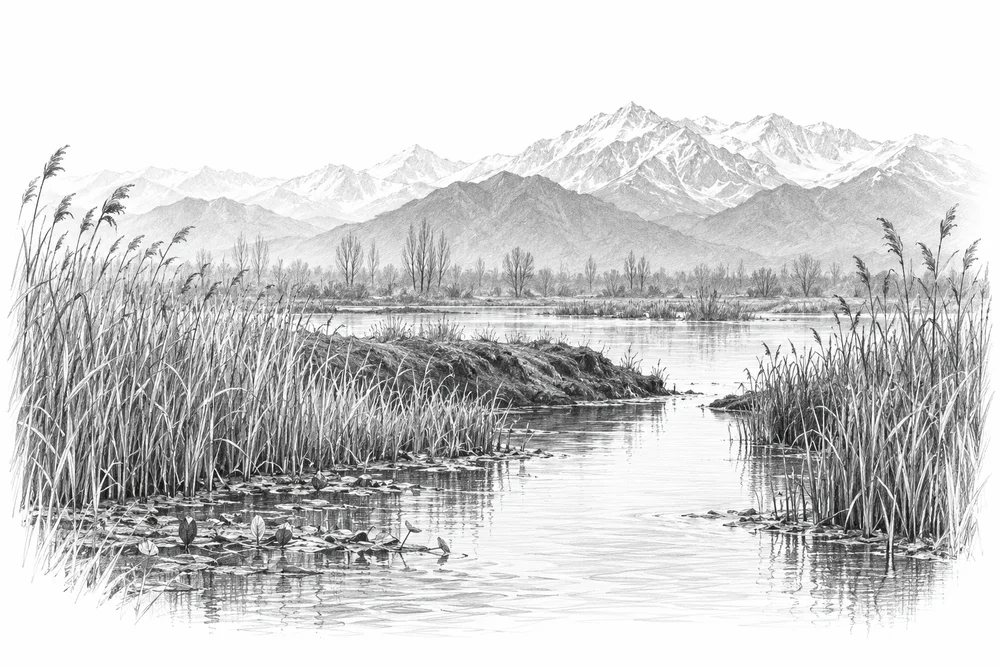
KVI-02 Local evidence
Identify blocked or altered connections and assess whether restoring seasonal water exchange would improve habitat.
Explore the opportunity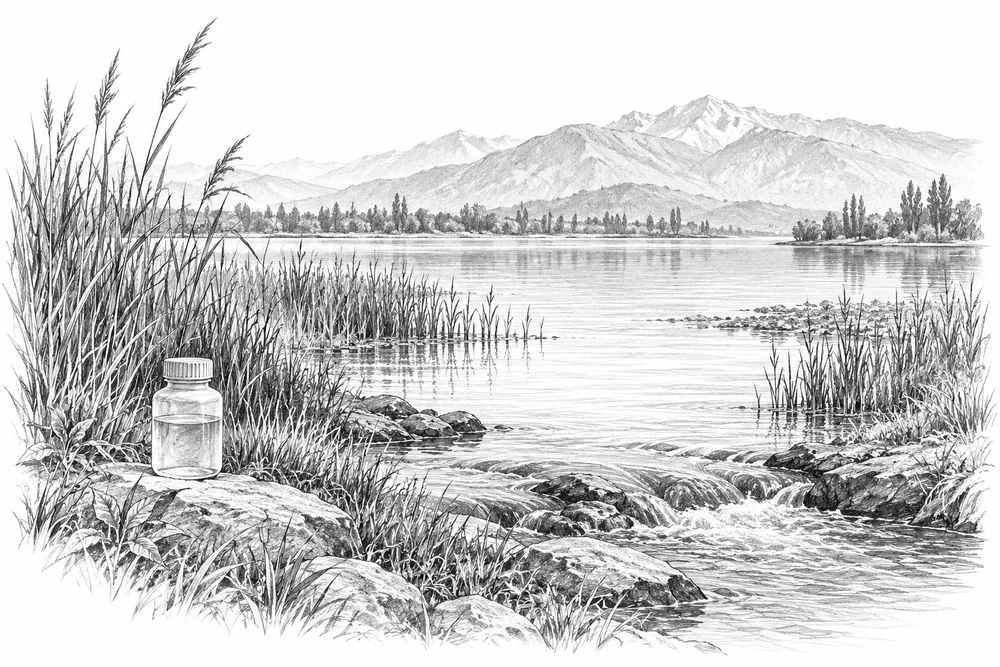
KVI-03 Local evidence
Trace nutrient inputs into selected lakes and test source reduction with the relevant communities and agencies.
Explore the opportunity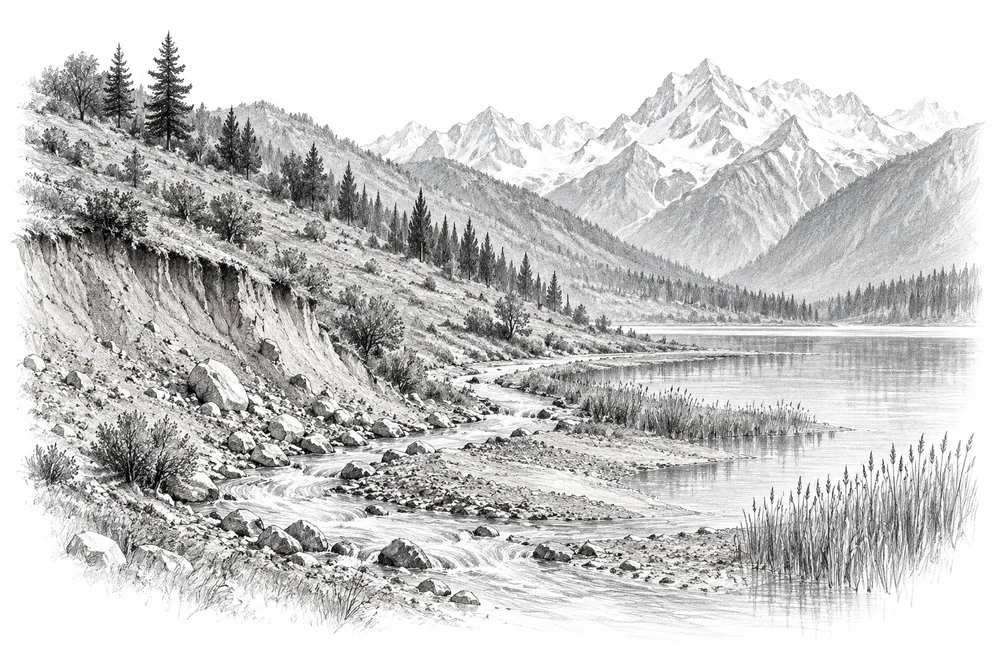
KVI-04 Local evidence
Connect lake sediment problems to upstream erosion sources and develop a measured catchment treatment pilot.
Explore the opportunity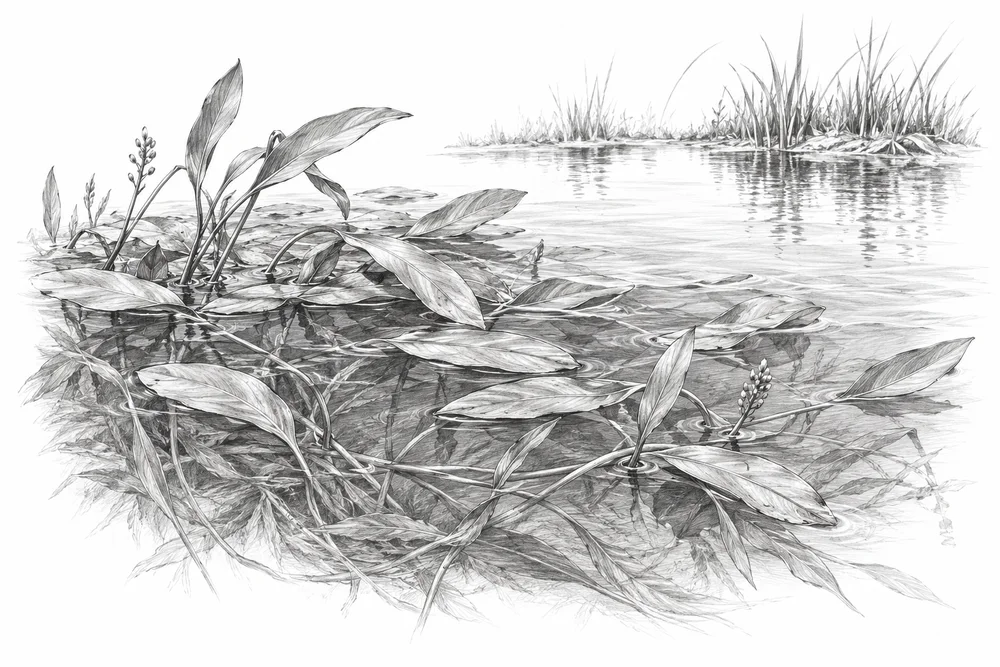
KVI-05 Local evidence
Identify the plants and causes of excessive growth before considering a monitored management trial.
Explore the opportunity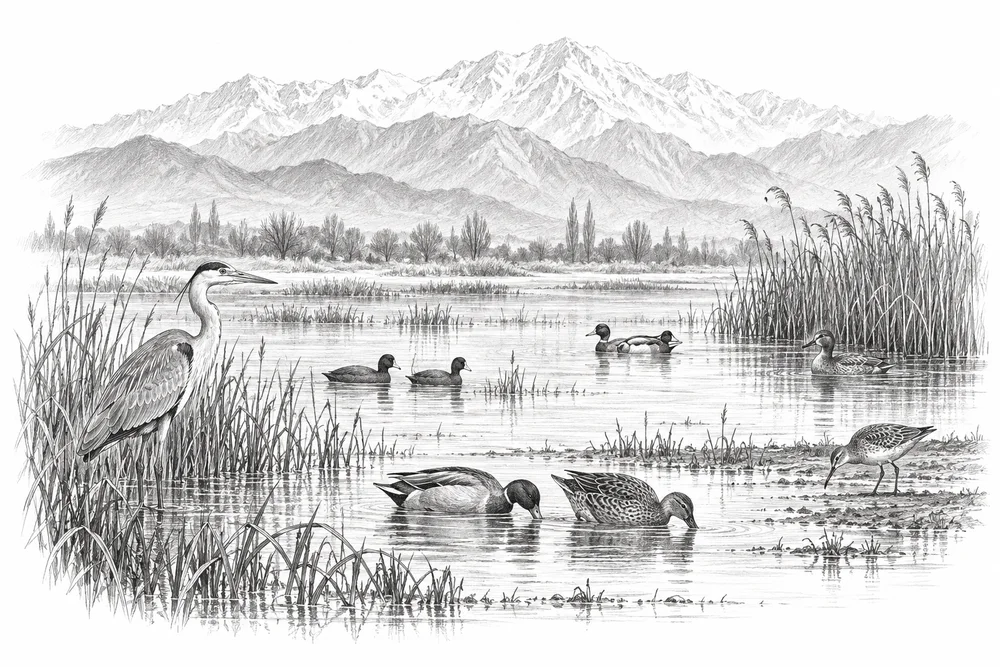
KVI-06 Local evidence
Assess open water, shallow margins and reed habitat together, with seasonal disturbance observations.
Explore the opportunity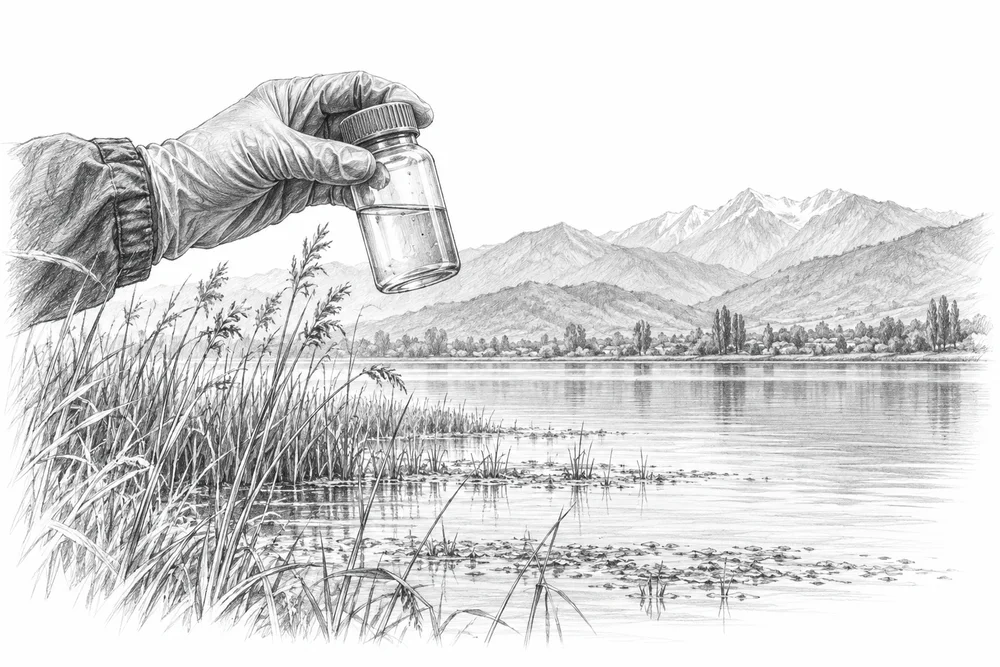
KVI-07 Local evidence
Use qualified laboratory partners to locate and track contaminant inputs at sites such as Anchar.
Explore the opportunity
KVI-08 Local evidence
Investigate sources of plastic leakage into lakes and target prevention, alongside properly designed sampling.
Explore the opportunity7 opportunities
KVI-09 Local evidence
Build a drain-to-river inventory for a defined reach and follow the dominant pollution sources through to treatment options.
Explore the opportunity
KVI-10 Local evidence
Document changes to selected extraction reaches and fish habitat to support evidence-based restoration discussions.
Explore the opportunity
KVI-11 Local evidence
Develop native riparian habitat pilots from local reference vegetation, while retaining channel and flood safety.
Explore the opportunity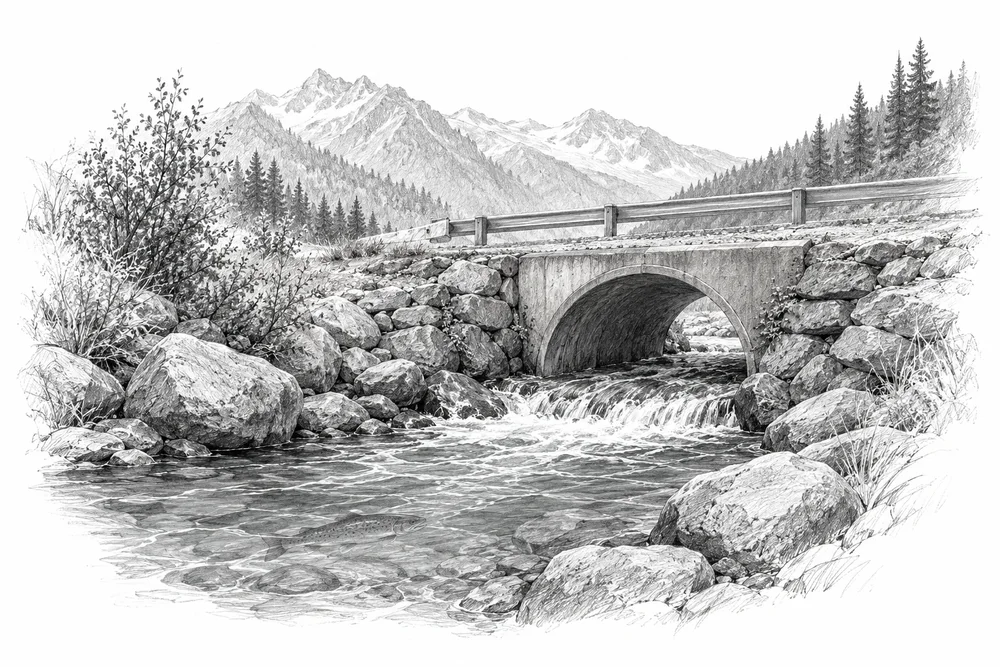
KVI-12 To investigate
Screen diversions, culverts and other barriers for ecological effects before proposing reconnection or flow work.
Explore the opportunity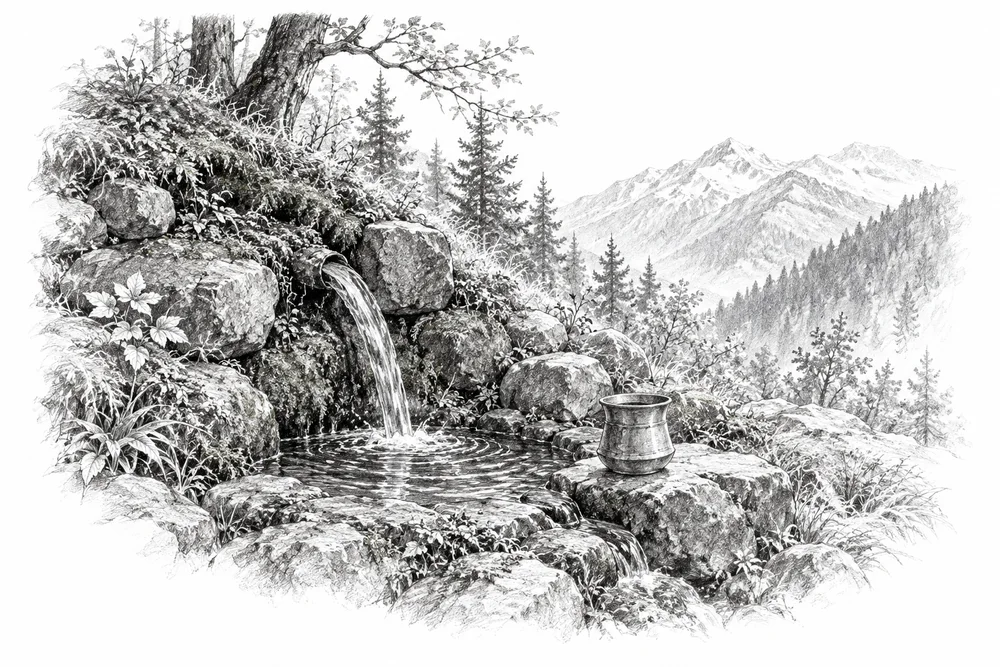
KVI-13 To investigate
Measure discharge through seasons and investigate recharge areas before selecting a spring-revival project.
Explore the opportunity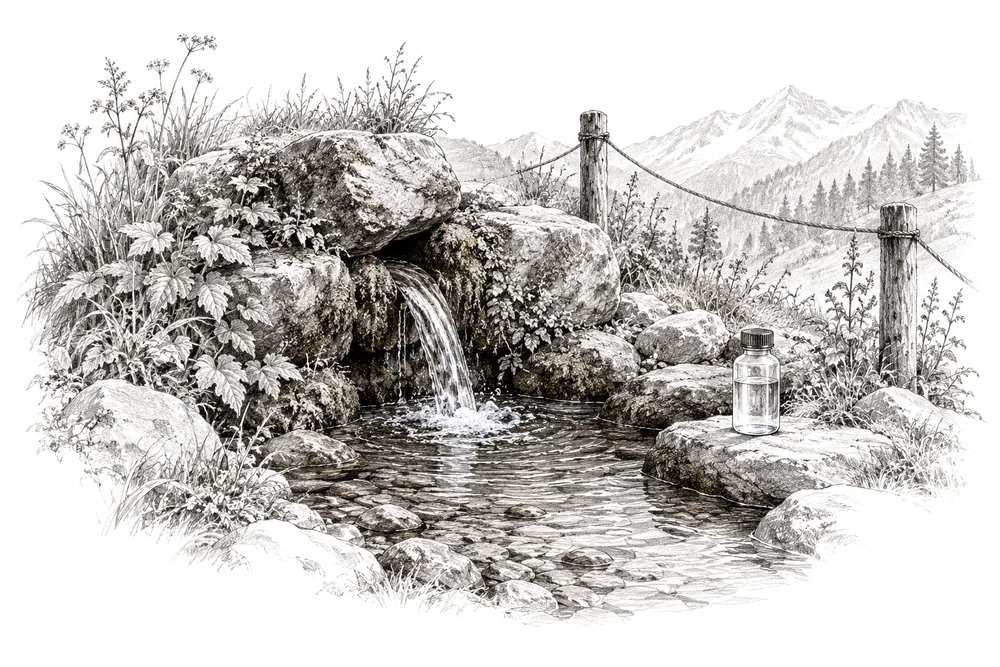
KVI-14 Local evidence
Protect specific spring heads and contributing areas using water-quality evidence and local water-user participation.
Explore the opportunity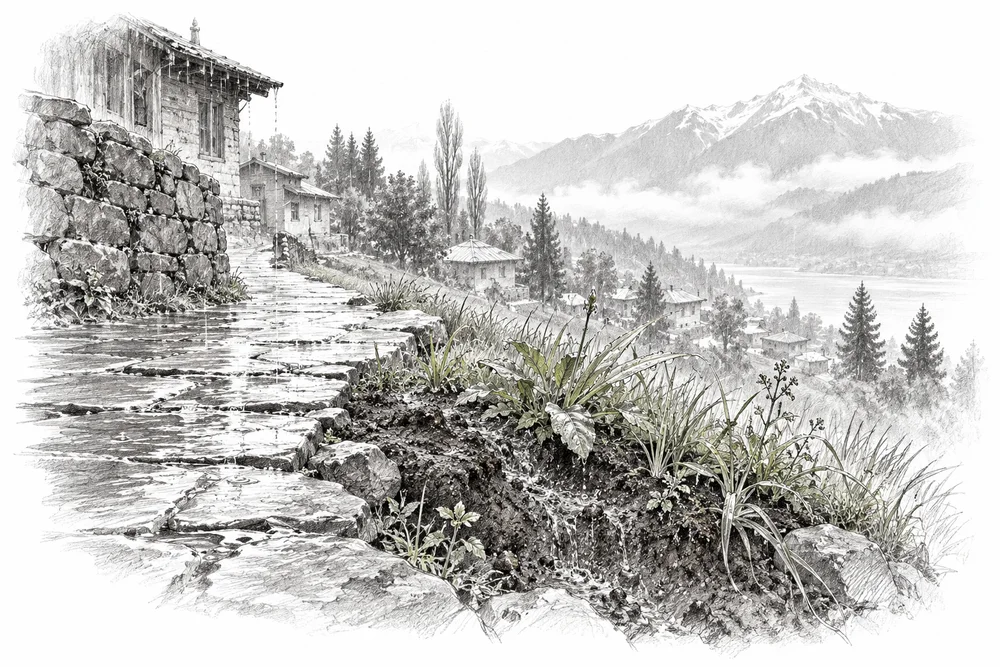
KVI-15 To investigate
Establish where abstraction or surface sealing threatens recharge; keep interventions tied to hydrogeology.
Explore the opportunity7 opportunities
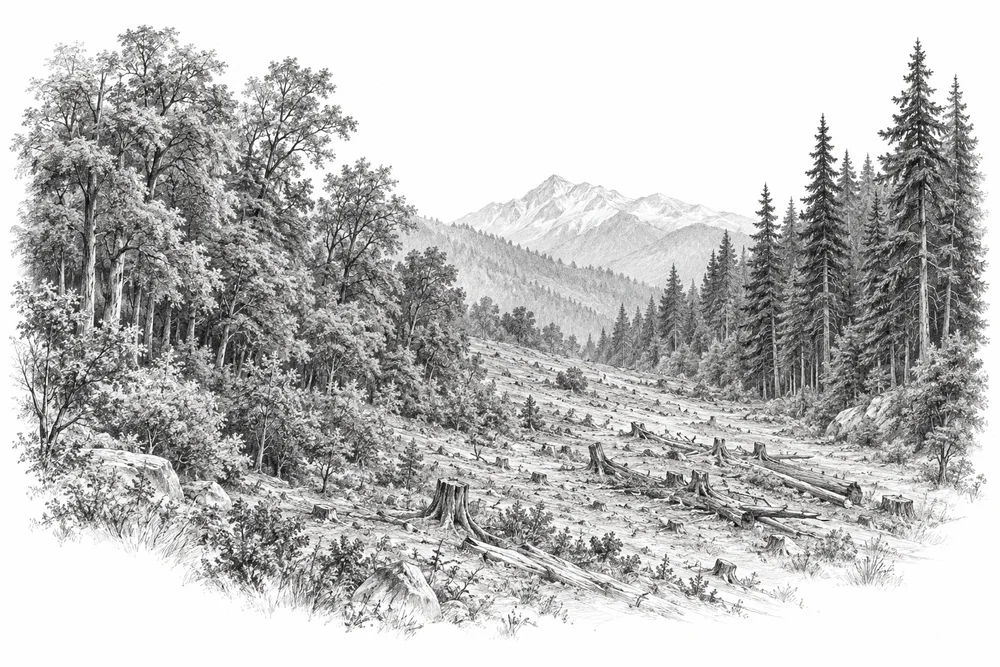
KVI-16 Local evidence
Locate damaged forest edges and broken habitat connections for targeted protection and restoration partnerships.
Explore the opportunity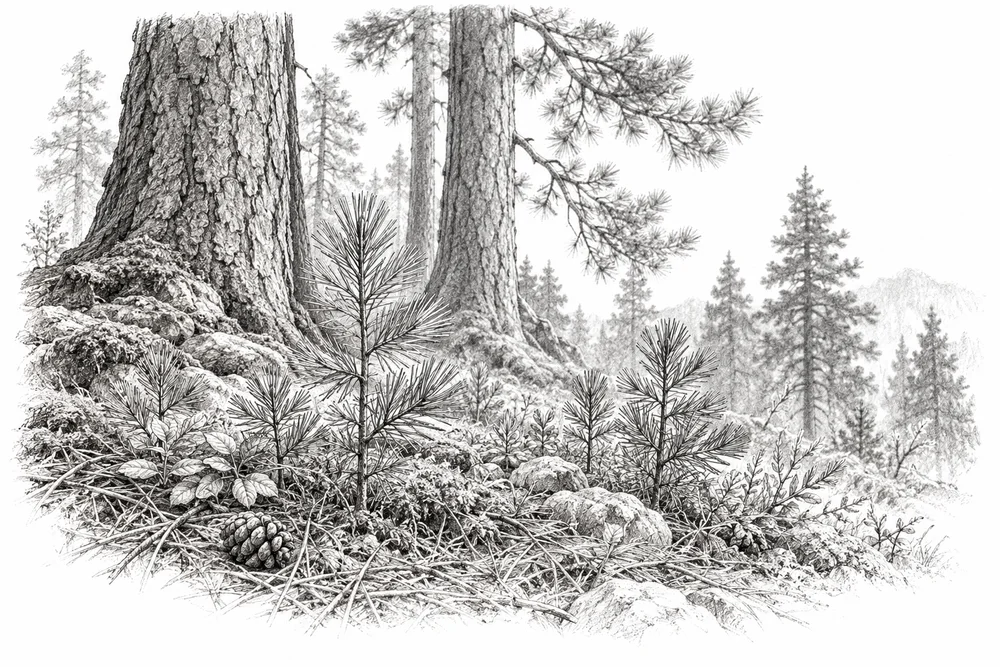
KVI-17 Local evidence
Test whether reducing the actual local stress allows native seedlings and vegetation to recover.
Explore the opportunity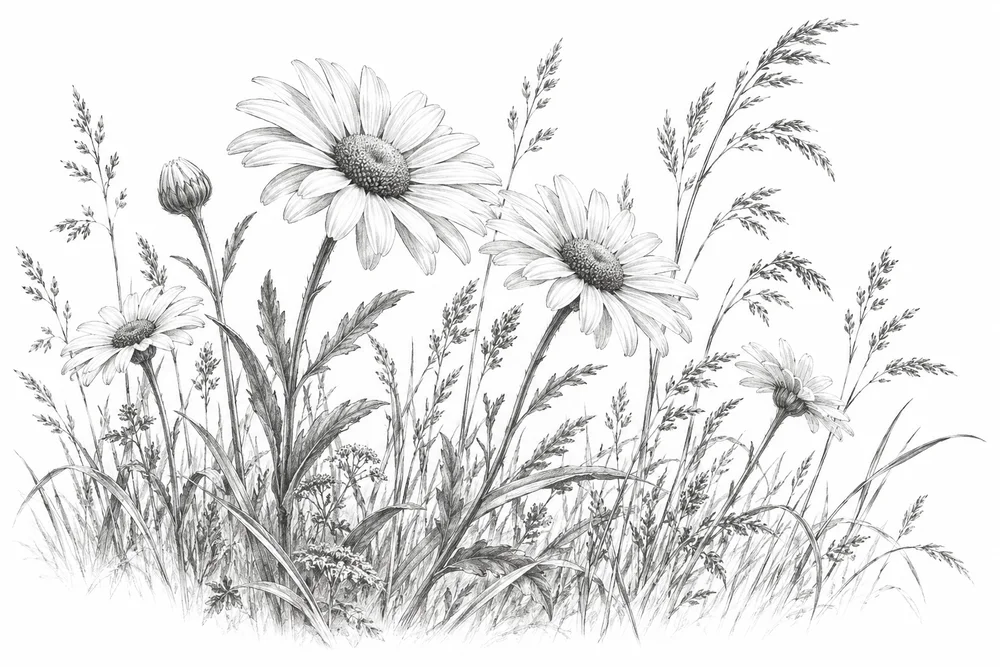
KVI-18 Local evidence
Map confirmed damaging invaders, such as ox-eye daisy, and test recovery after carefully selected control methods.
Explore the opportunity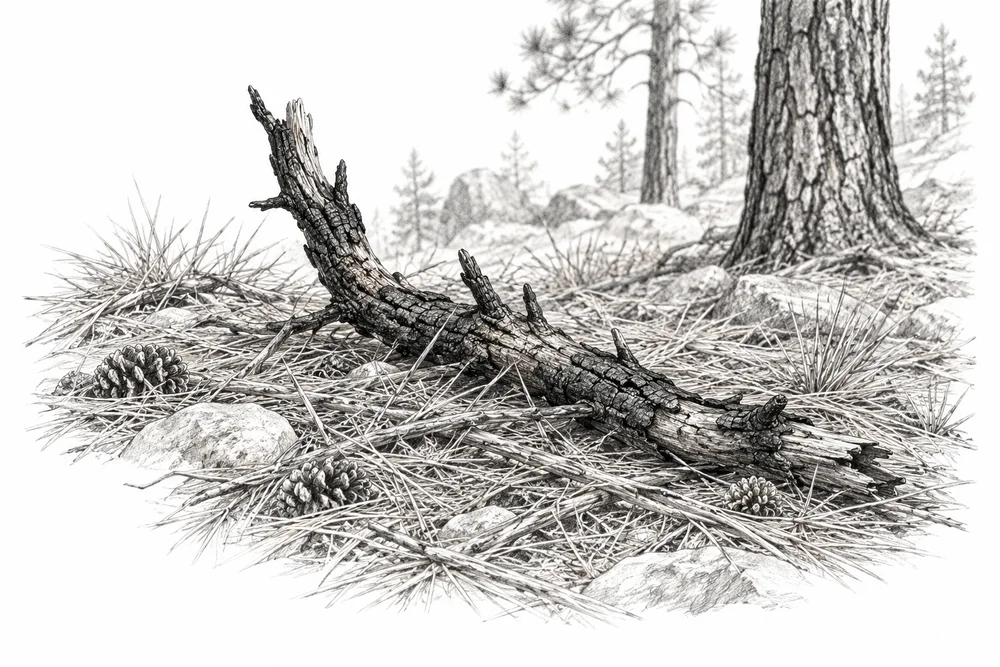
KVI-19 To investigate
Build prevention and reporting work around local fire history and forest-department planning, followed by recovery monitoring.
Explore the opportunity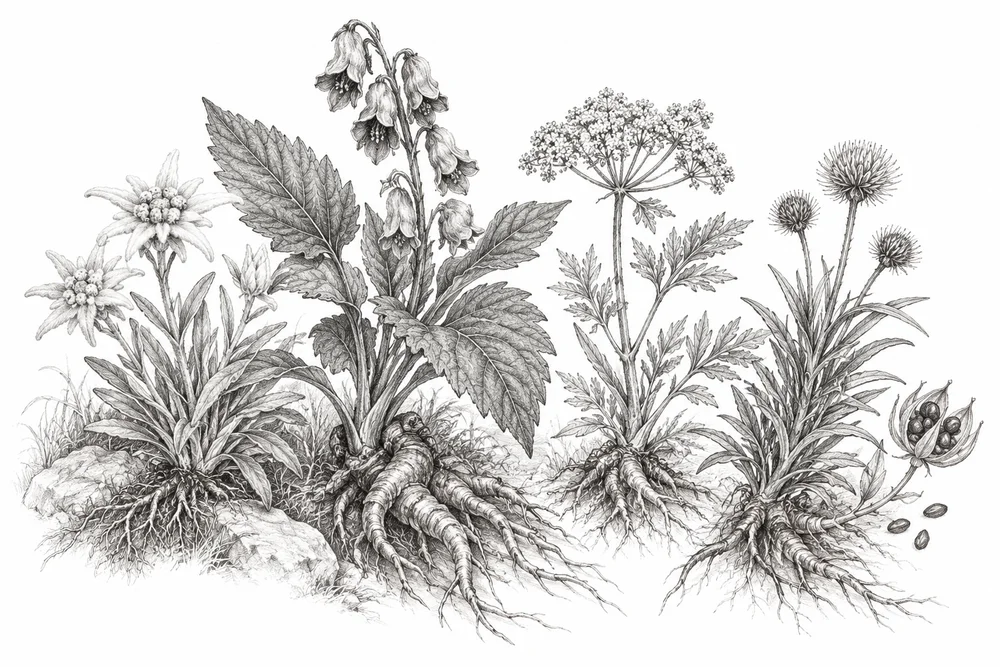
KVI-20 Local evidence
Identify vulnerable species and collection practices, then explore collector-led resource assessment and cultivation options.
Explore the opportunity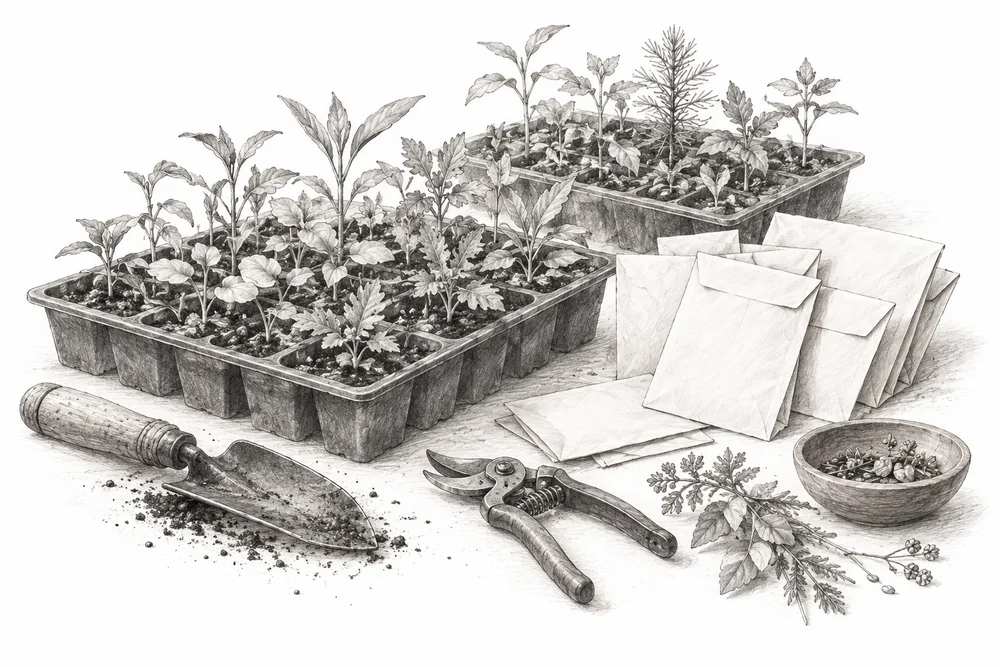
KVI-21 To investigate
Assess local restoration demand and provenance gaps before developing a native propagation partnership.
Explore the opportunity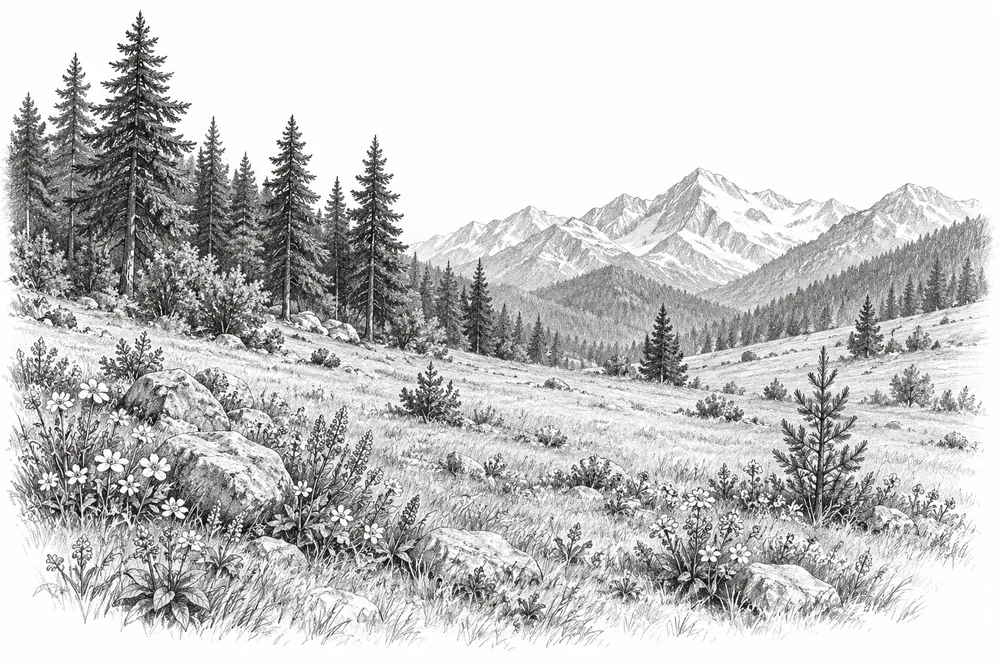
KVI-22 To investigate
Screen planting proposals against the site's reference ecosystem, including the value of naturally open habitats.
Explore the opportunity6 opportunities
KVI-23 Local evidence
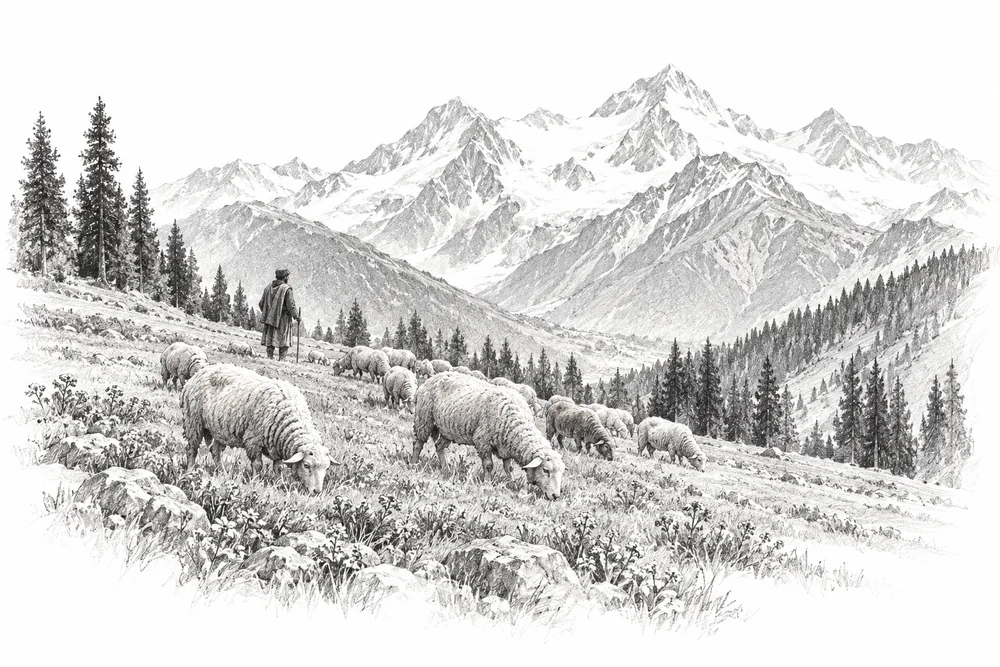
Co-design seasonal grazing and recovery trials with pastoralists using forage and vegetation measurements.
Explore the opportunity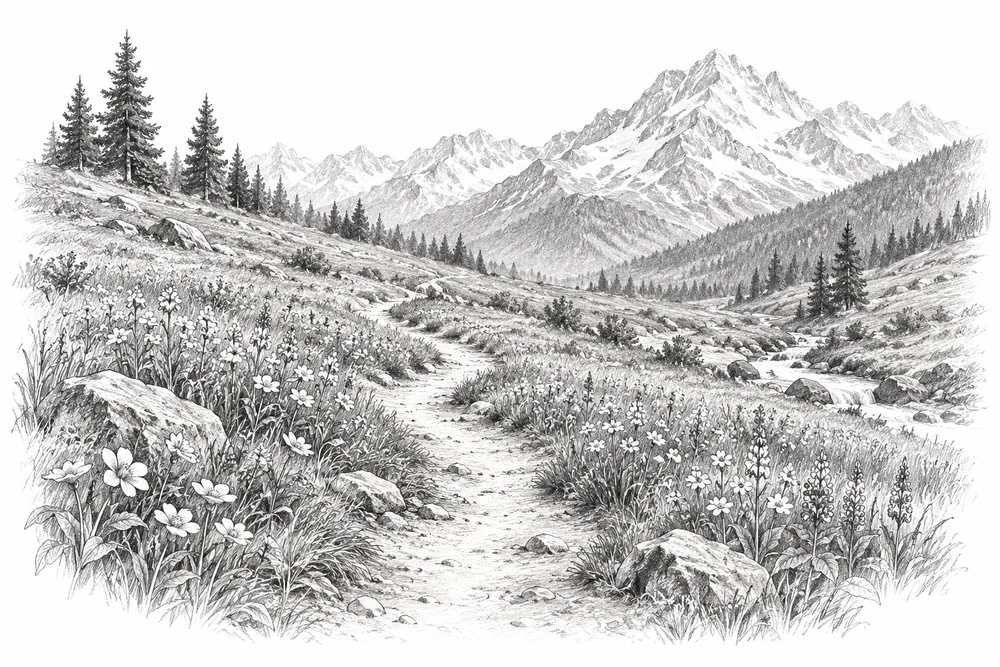
KVI-24 Local evidence
Compare affected and reference areas, then test routes, visitor guidance and small repairs at a named meadow.
Explore the opportunity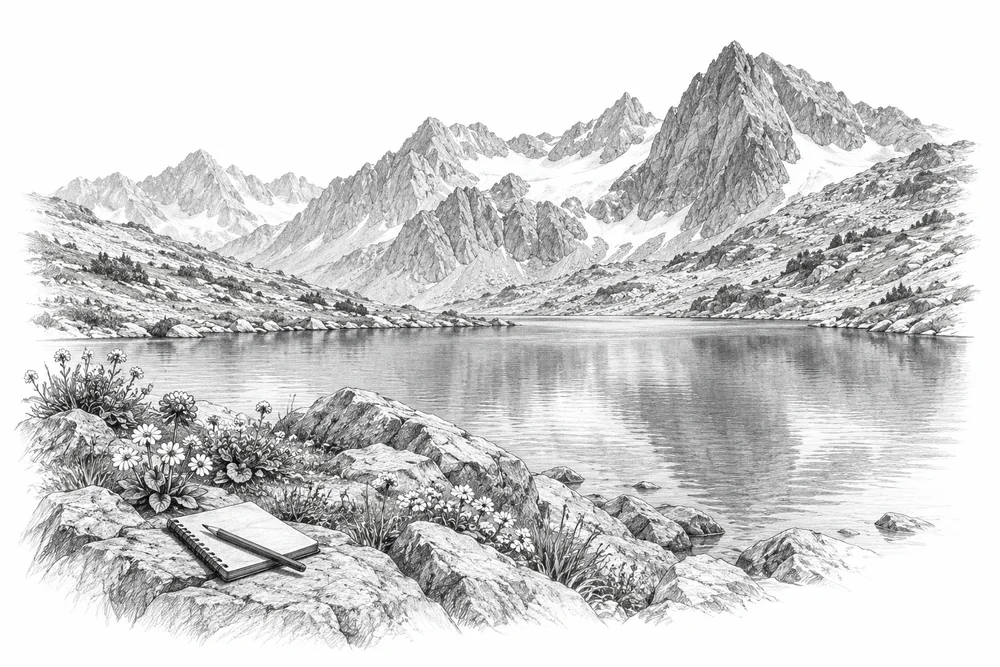
KVI-25 Local evidence
Create low-impact lake monitoring and source-prevention programmes suited to remote, sensitive sites.
Explore the opportunity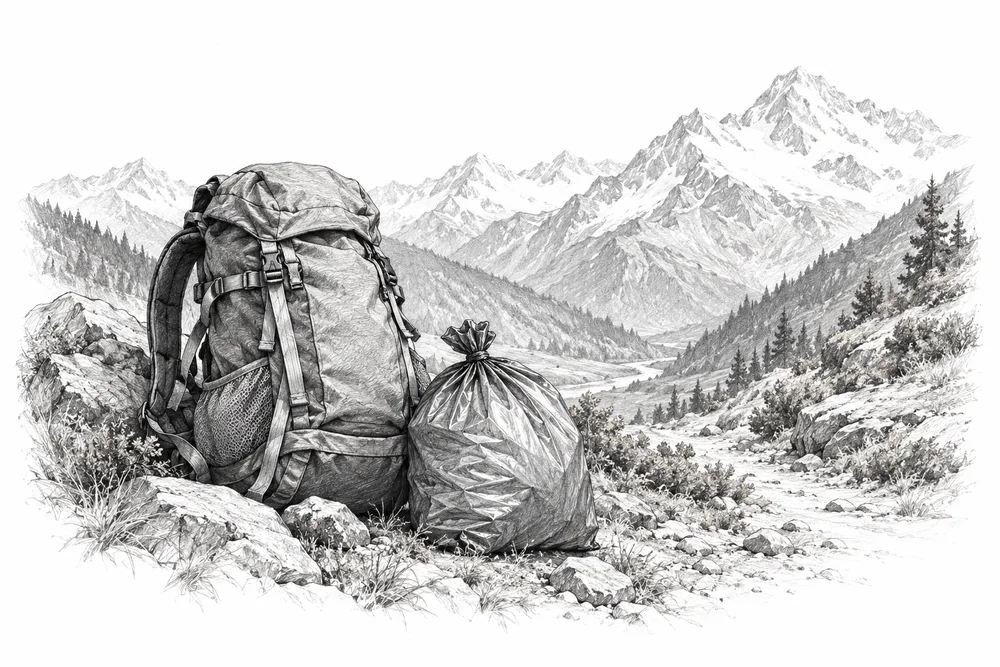
KVI-26 Local evidence
Work with guides, camps and receiving facilities on waste prevention, safe backhaul and sanitation needs.
Explore the opportunity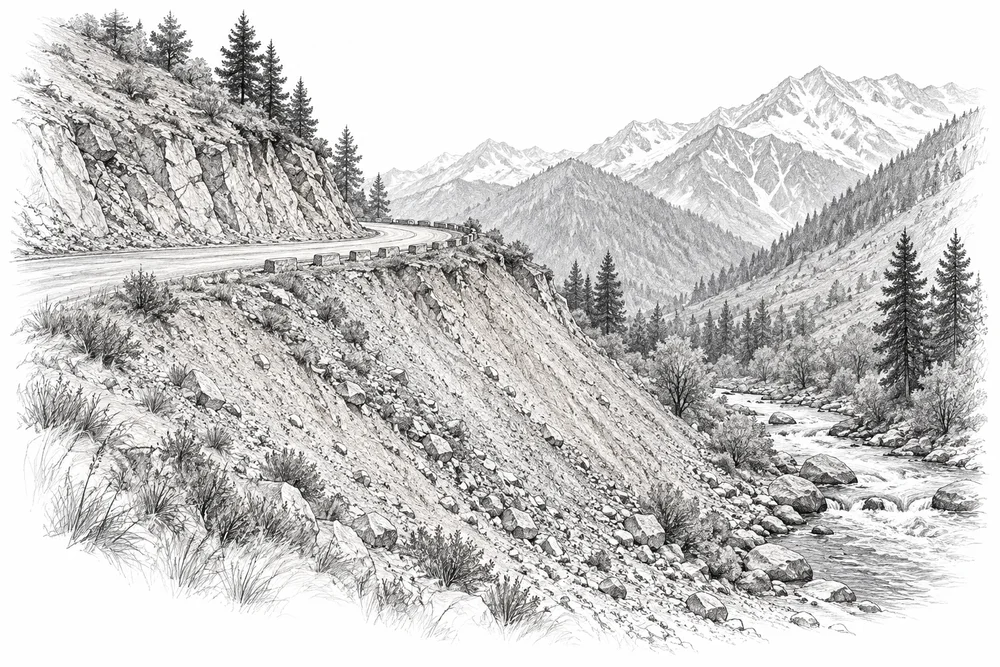
KVI-27 To investigate
Map exposed soil and dumping sites, then separate habitat repair opportunities from work needing engineering design.
Explore the opportunity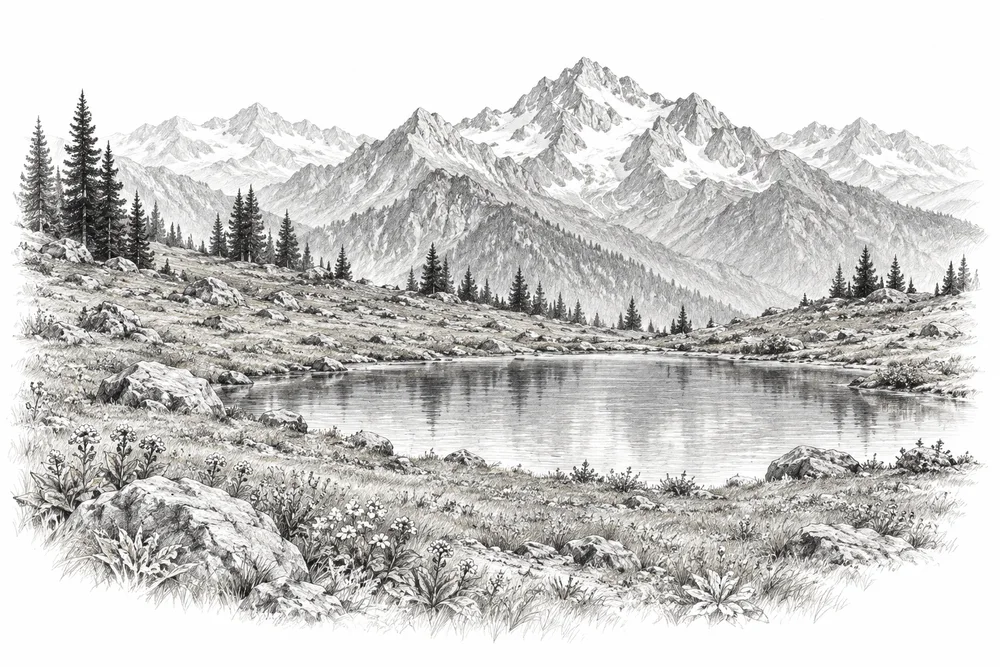
KVI-28 To investigate
Establish repeat observation plots and photo points to detect changes in vegetation and wetland condition.
Explore the opportunity8 opportunities
KVI-29 Local evidence
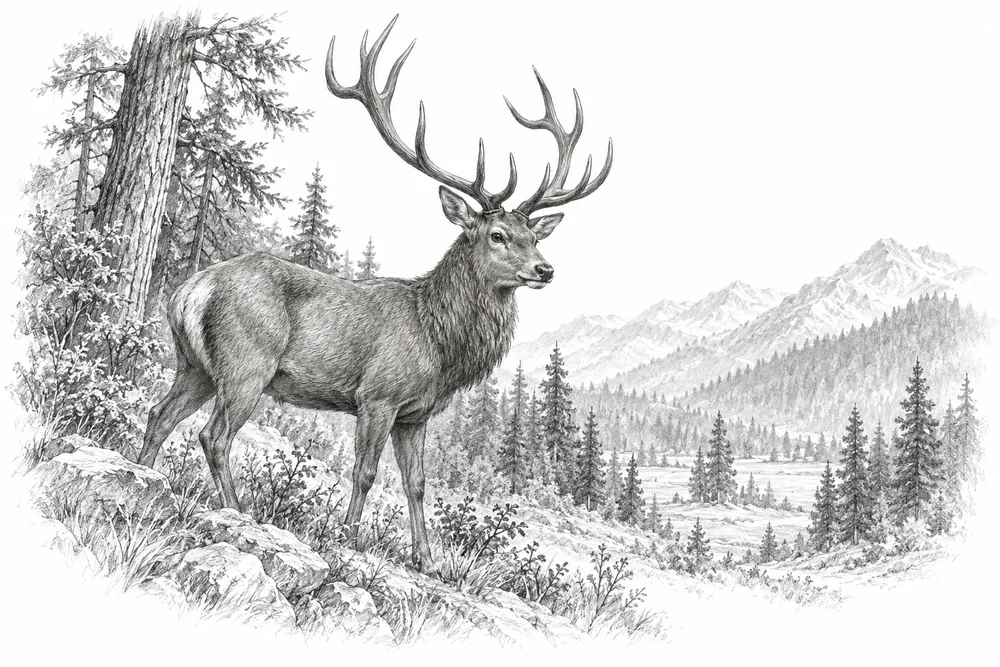
Support corridor and winter-habitat assessment with authorised partners, building on work already under way.
Explore the opportunity
KVI-30 Local evidence
Develop separate species-and-site briefs for markhor and other verified priority taxa within the agreed geography.
Explore the opportunity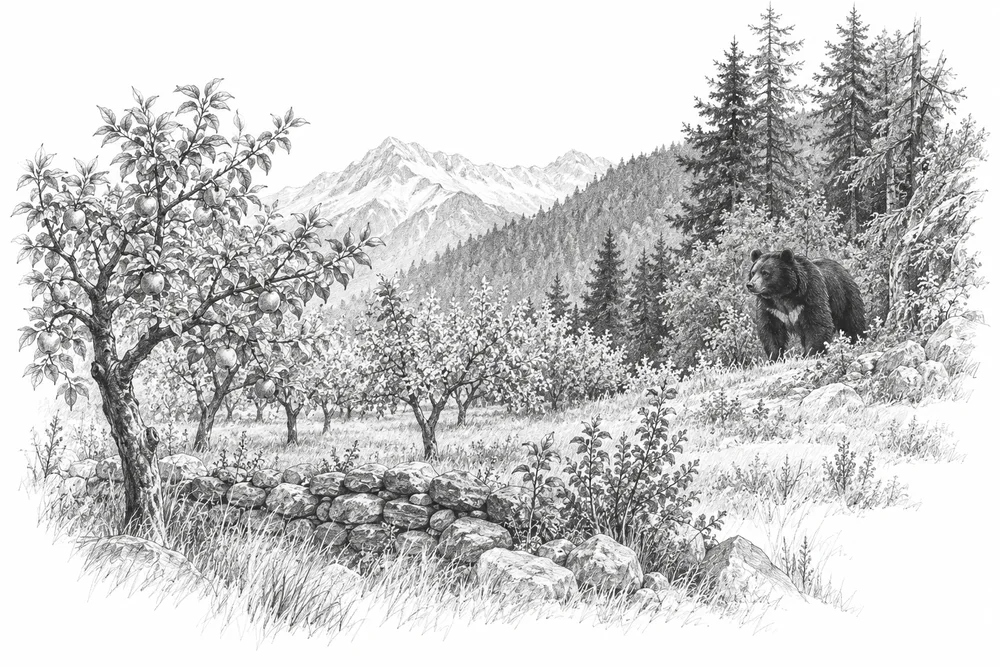
KVI-31 Local evidence
Map incidents and their causes, then test locally appropriate prevention with affected residents and wildlife specialists.
Explore the opportunity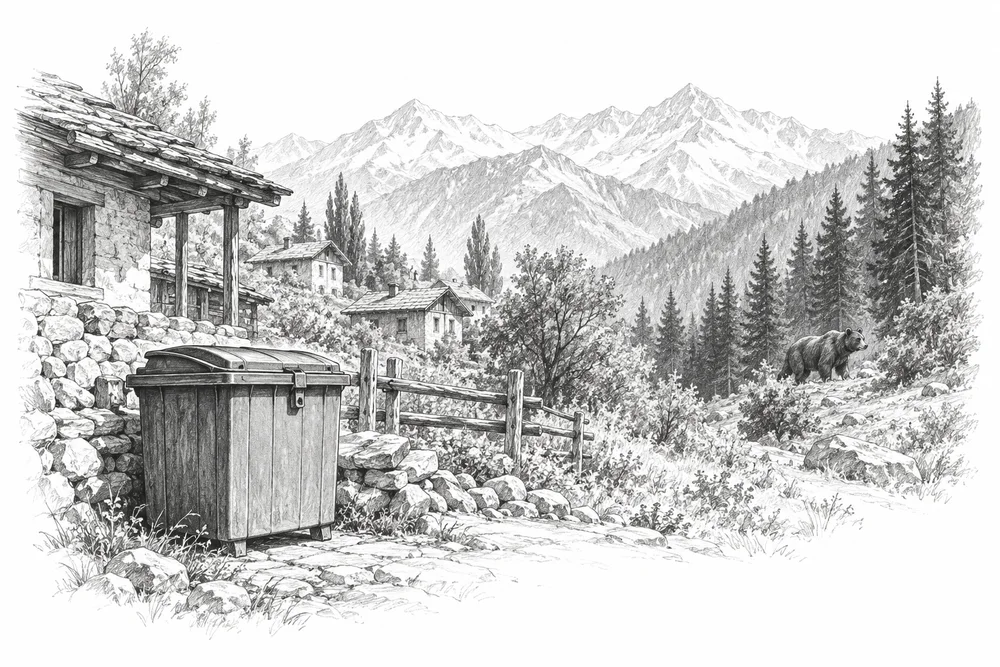
KVI-32 Local evidence
Prioritise secure food-waste handling around bear landscapes such as Sonamarg and monitor behaviour changes.
Explore the opportunity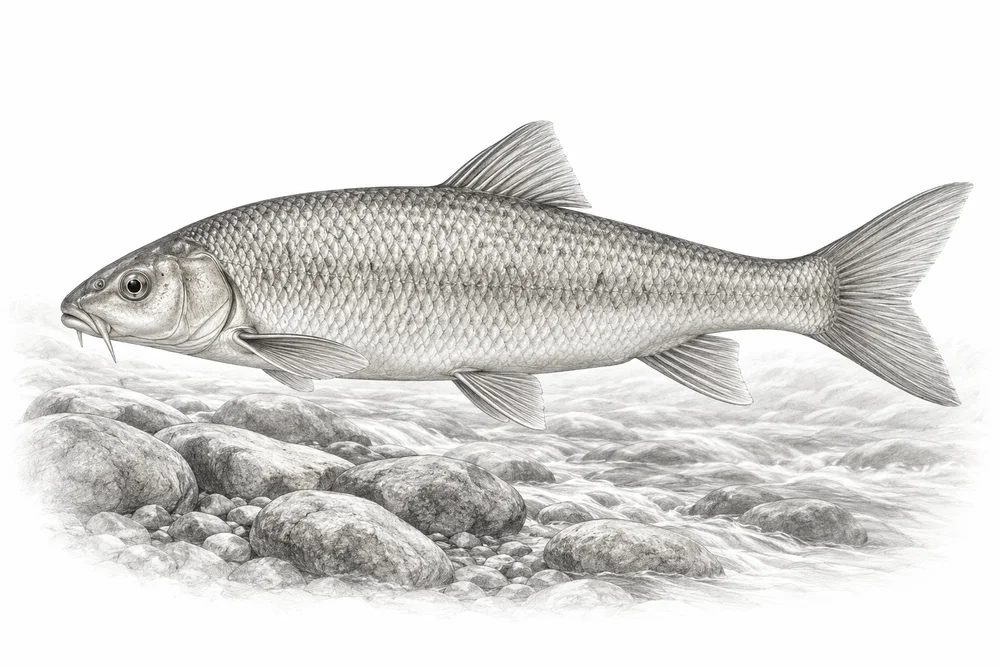
KVI-33 Local evidence
Assess native fish habitat, fishing pressure, pollution and introduced-species interactions before choosing a recovery intervention.
Explore the opportunity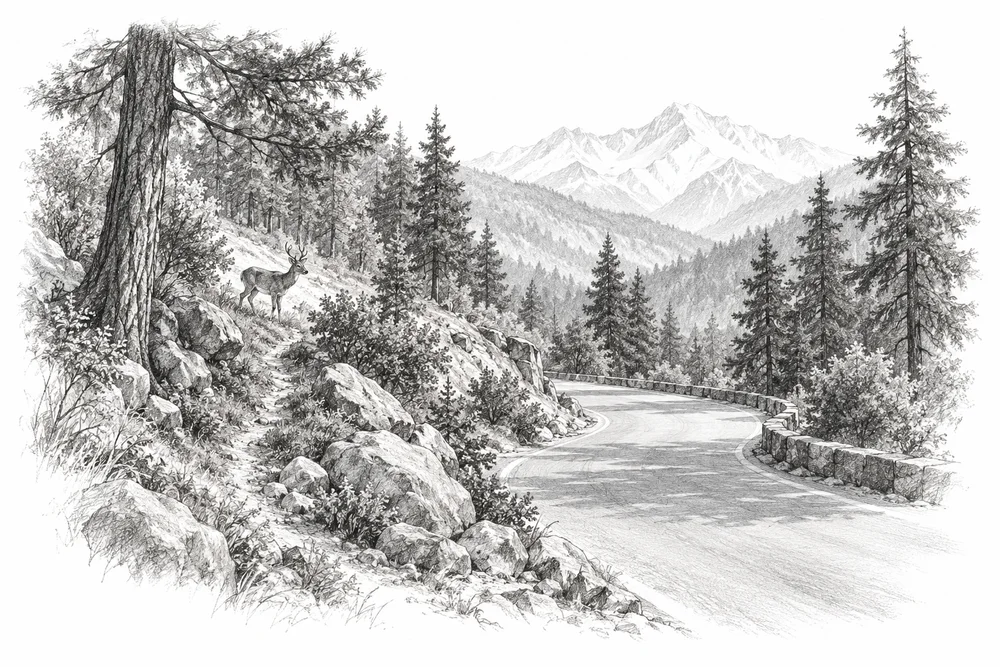
KVI-34 Local evidence
Identify recurring roadkill locations and work with road and wildlife authorities on tested mitigation.
Explore the opportunity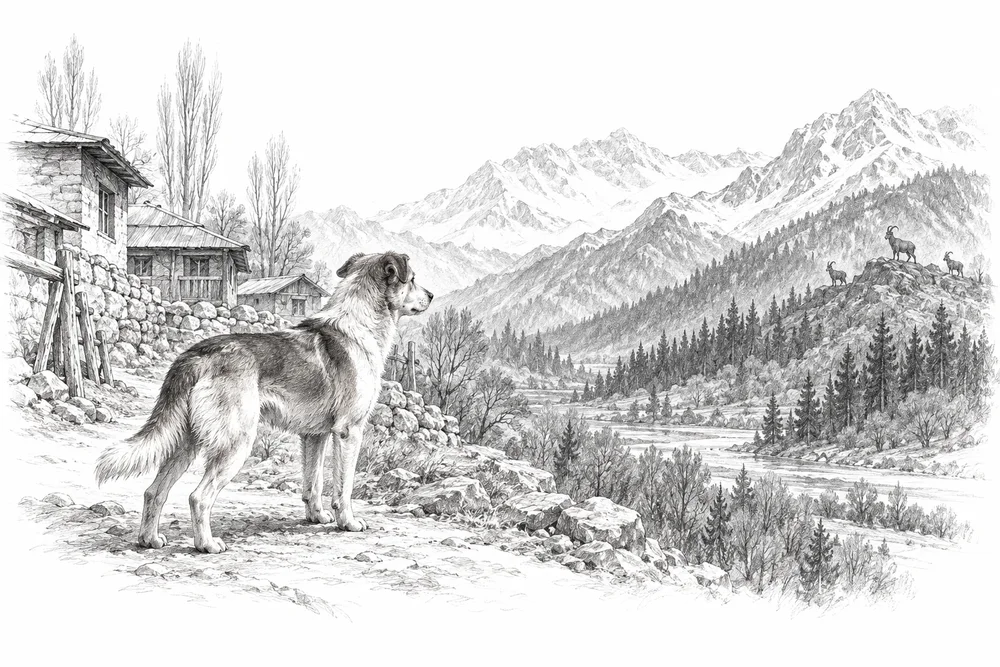
KVI-35 To investigate
Check predation, disturbance and disease evidence around sensitive sites before designing humane veterinary partnerships.
Explore the opportunity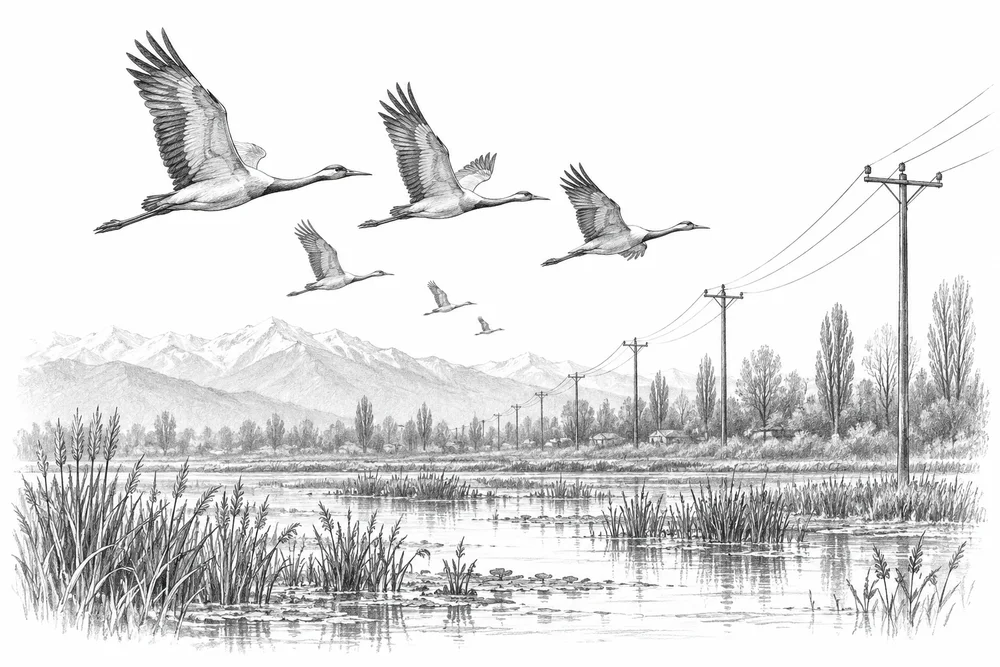
KVI-36 To investigate
Survey suspected dangerous power spans near bird concentrations; utility engineers would design any modifications.
Explore the opportunity6 opportunities
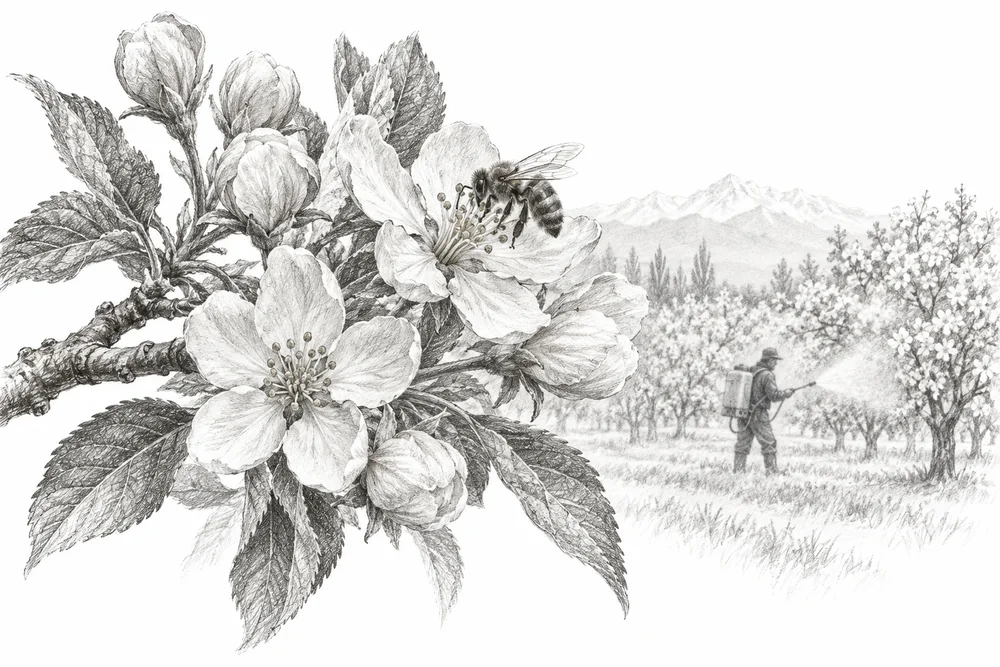
KVI-37 Local evidence
Develop farmer-led pesticide-risk reduction trials with agronomic expertise and comparable insect observations.
Explore the opportunity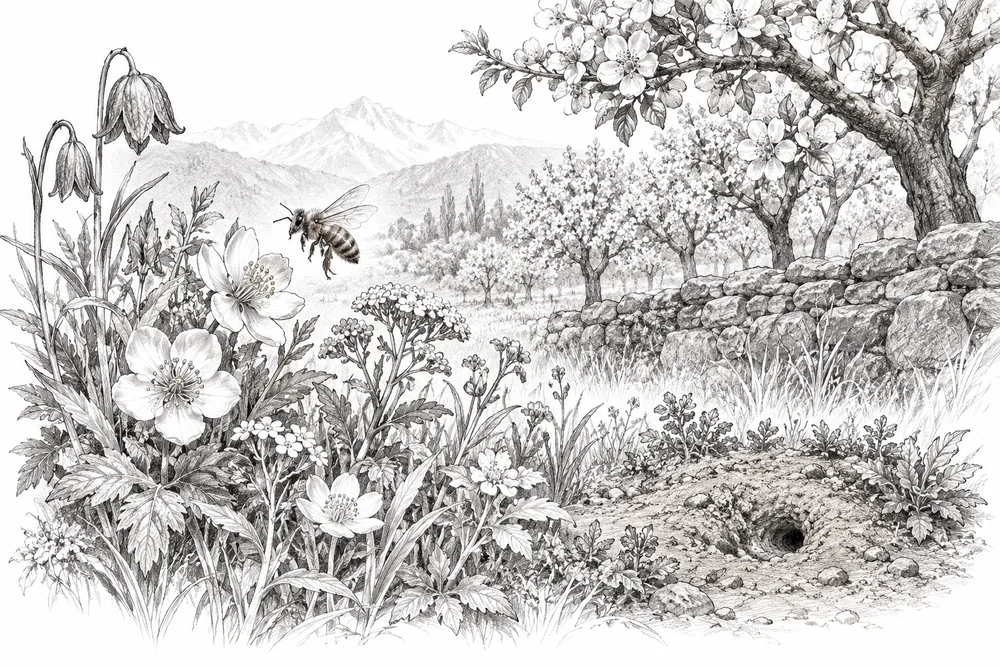
KVI-38 Local evidence
Create pesticide-protected field margins and nesting resources using locally suitable plants and seasonal surveys.
Explore the opportunity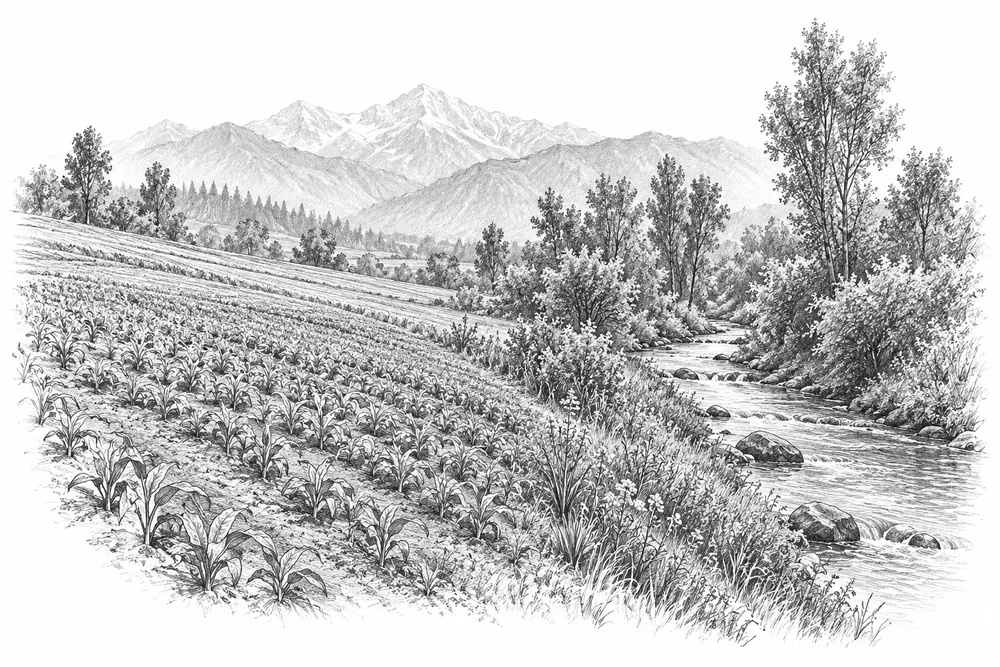
KVI-39 Local evidence
Locate likely runoff pathways and test practical input management or vegetated buffers with farmers.
Explore the opportunity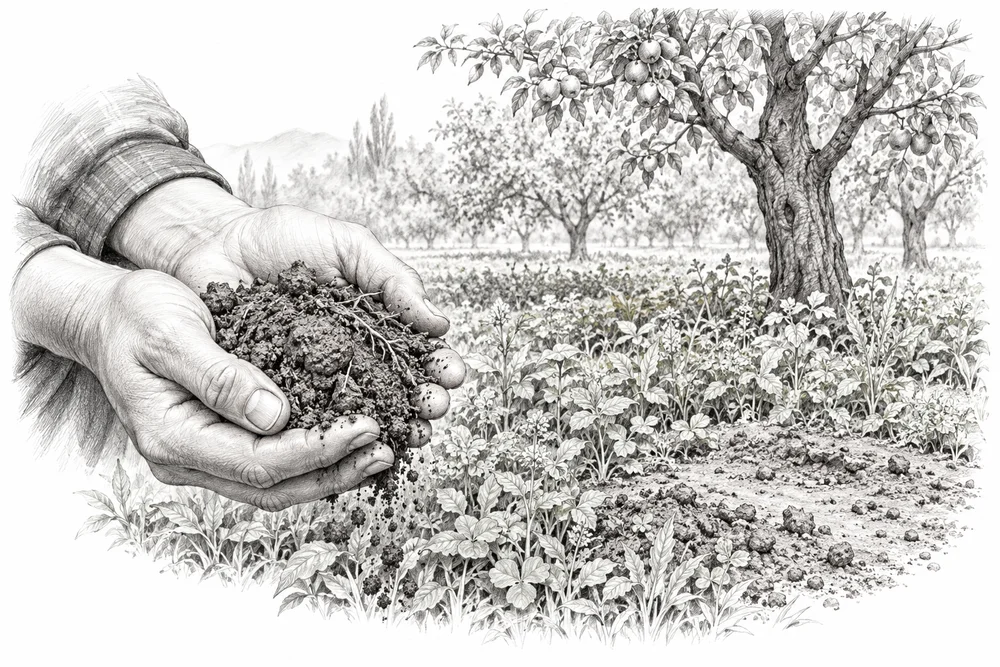
KVI-40 Local evidence
Assess soil cover, compaction and fertility at selected farms before testing cover or soil-organic-matter management.
Explore the opportunity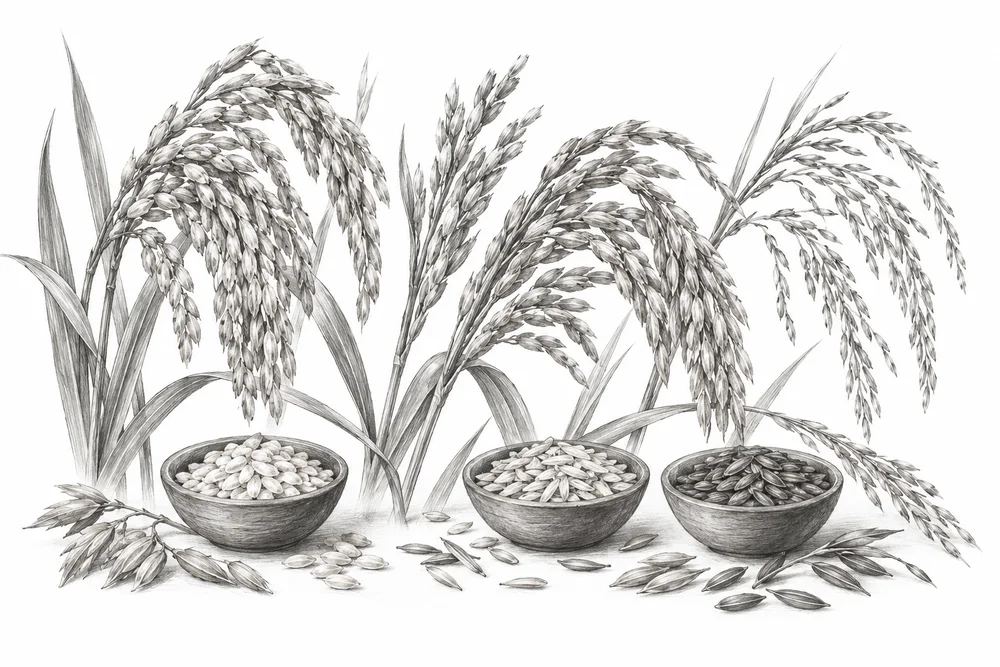
KVI-41 To investigate
Document which traditional varieties remain in use and explore farmer-led conservation with seed institutions.
Explore the opportunity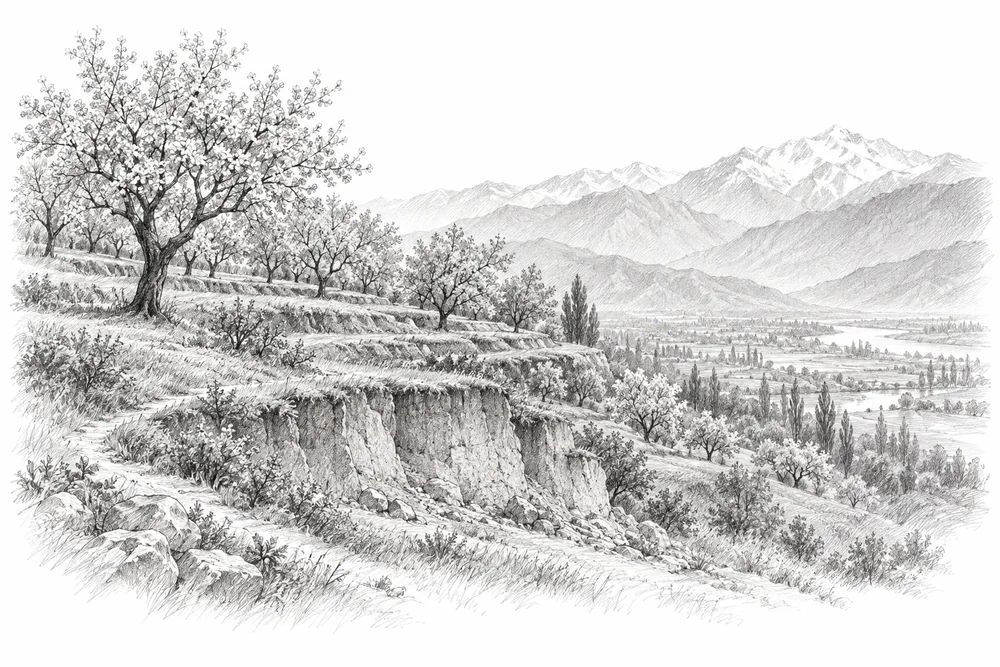
KVI-42 Local evidence
Map local land-use transitions and soil removal, then identify feasible farmer and community stewardship options.
Explore the opportunity6 opportunities
KVI-43 Local evidence
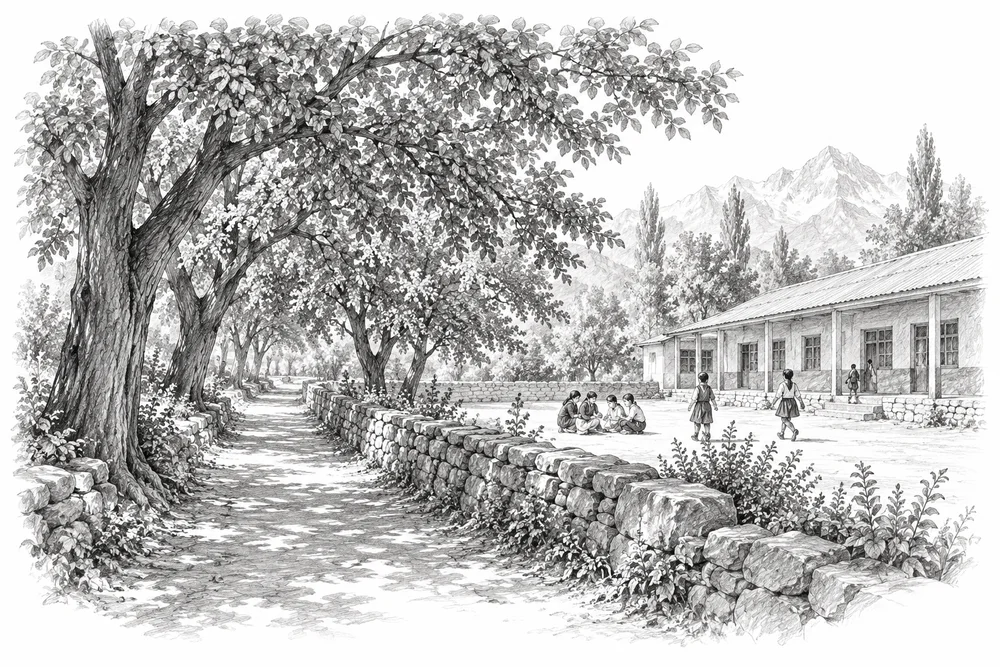
Map canopy gaps and develop shade-and-habitat projects with long-term tree care at suitable public sites.
Explore the opportunity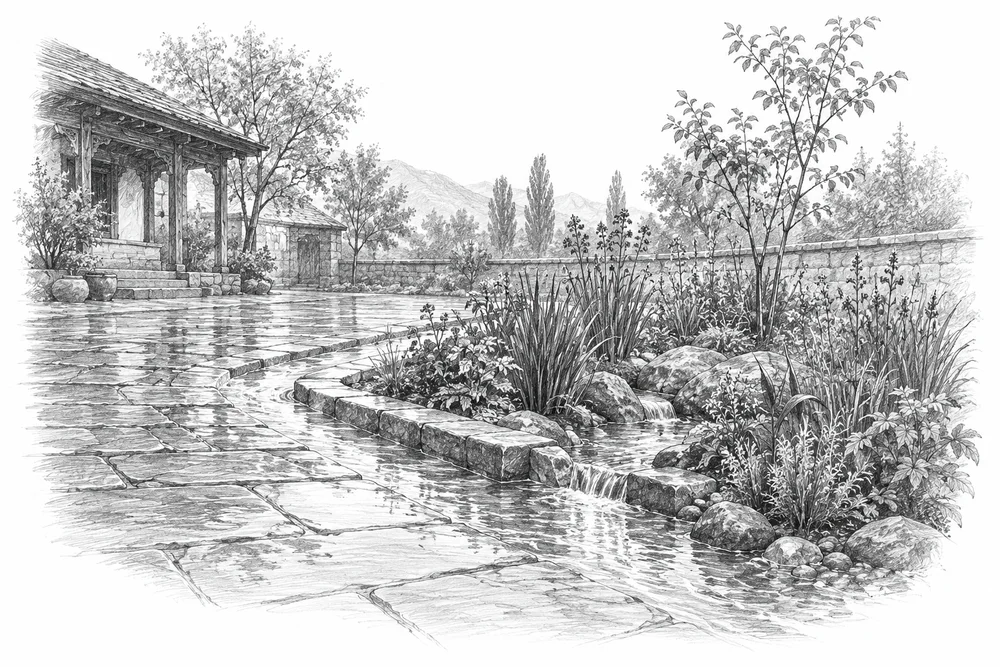
KVI-44 Local evidence
Assess opportunities to retain infiltration and surface-water routes in selected public landscapes.
Explore the opportunity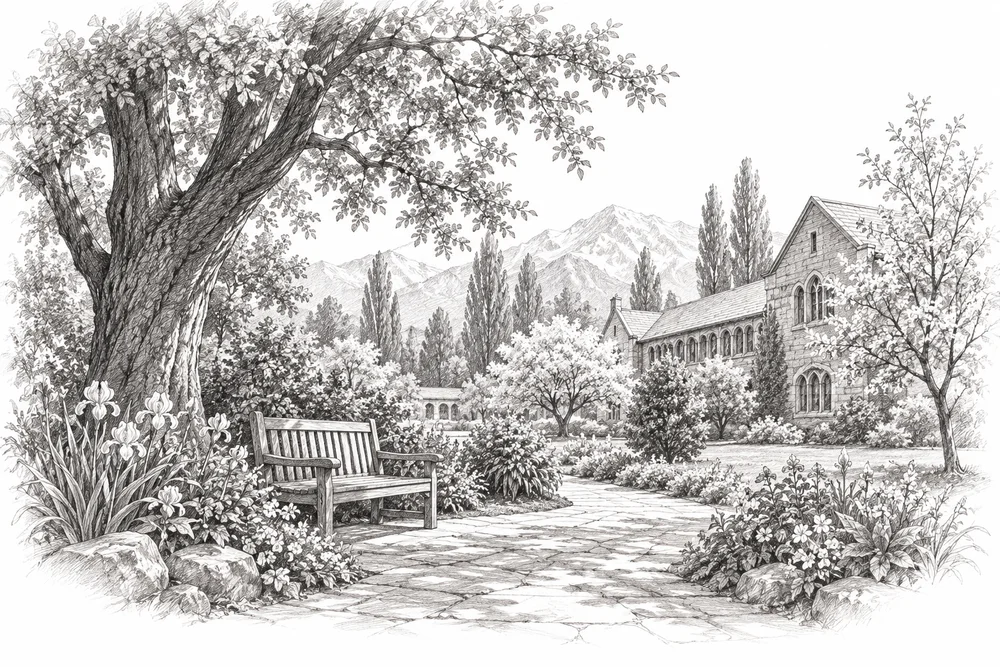
KVI-45 Local evidence
Explore appropriate habitat care in schools, parks, graveyards and campuses with their users and custodians.
Explore the opportunity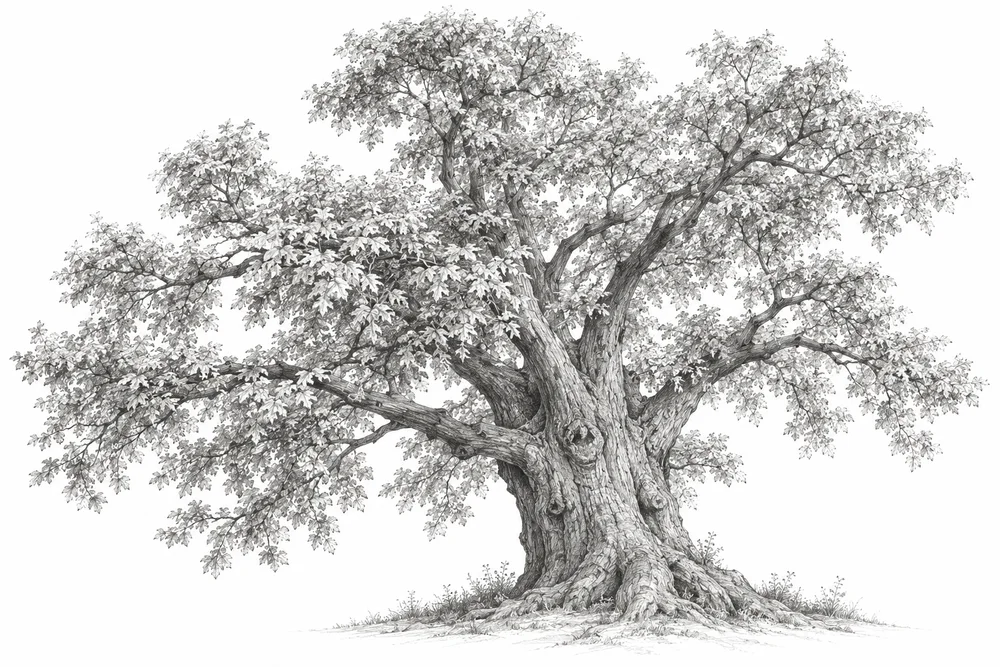
KVI-46 To investigate
Inventory valuable existing trees, including chinars where appropriate, and develop qualified tree-care plans.
Explore the opportunity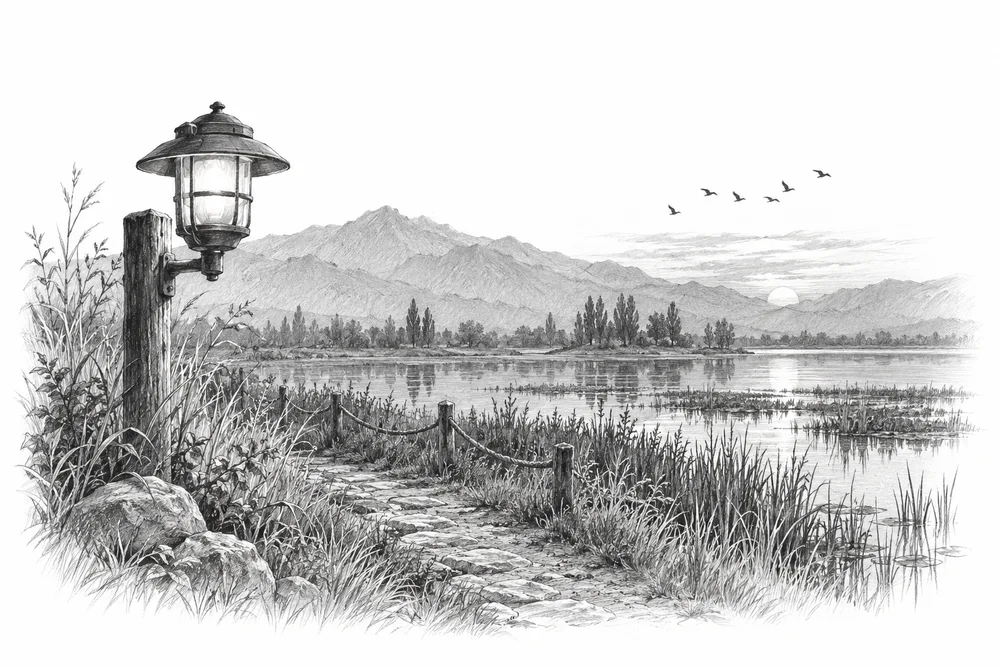
KVI-47 To investigate
Audit unnecessary spill and timing near wetlands or wildlife routes, then test targeted, controlled lighting.
Explore the opportunity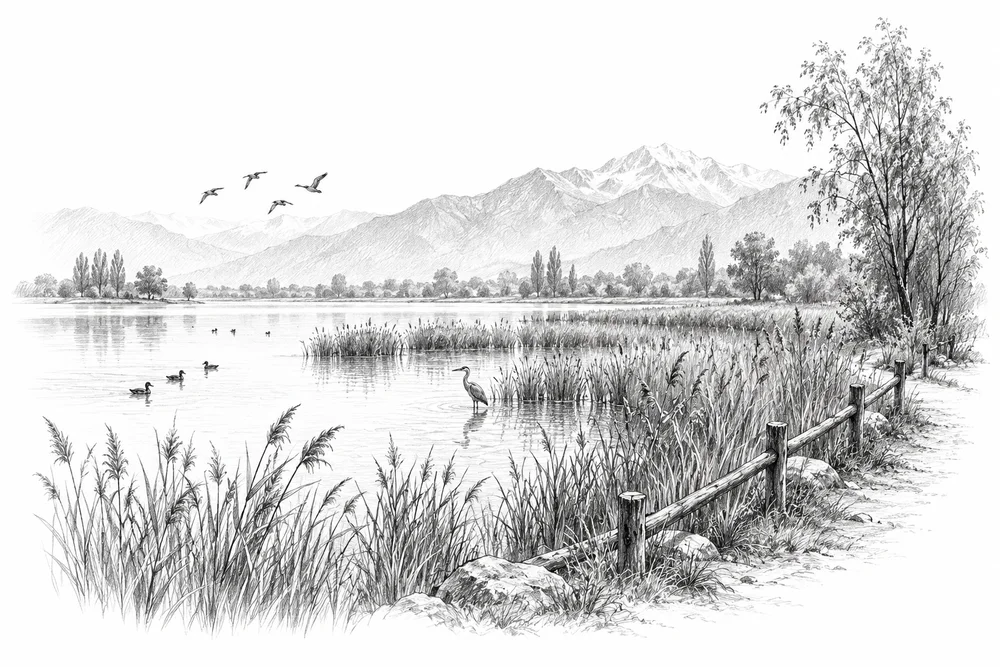
KVI-48 To investigate
Measure disturbance near sensitive habitat and explore seasonal quiet areas and better visitor arrangements.
Explore the opportunity7 opportunities
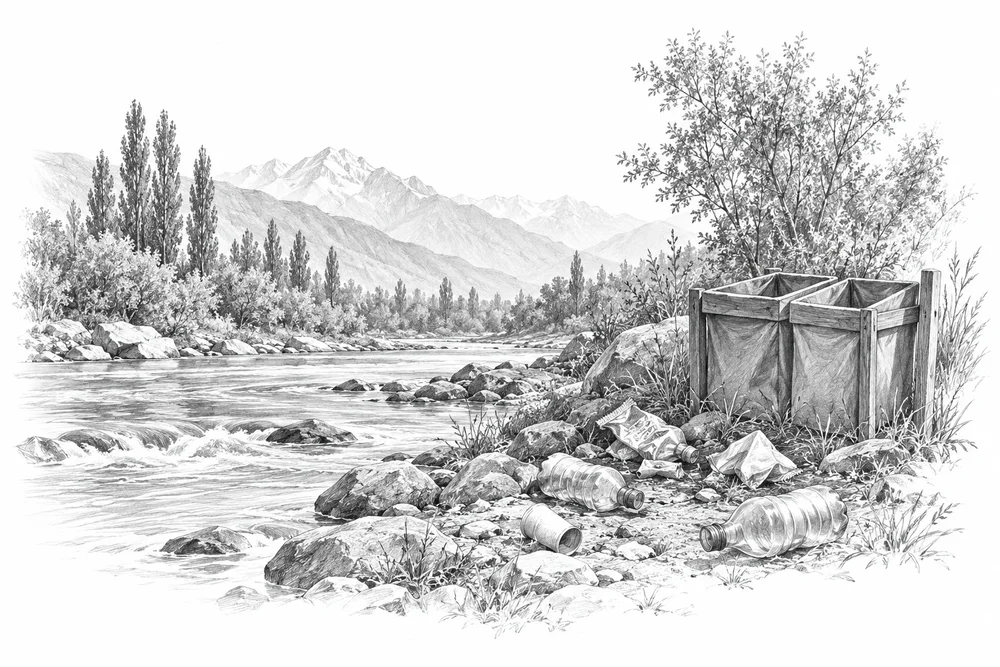
KVI-49 Local evidence
Build a small collection-and-prevention system with a verified destination for every material stream.
Explore the opportunity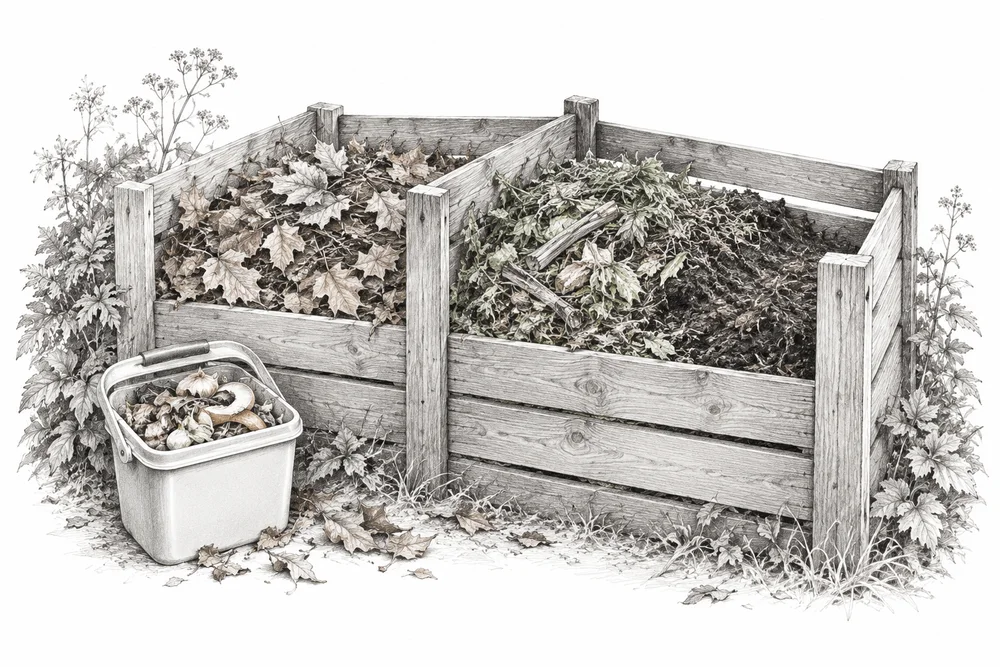
KVI-50 Local evidence
Test separation, waste prevention and well-operated composting at a market, campus or neighbourhood.
Explore the opportunity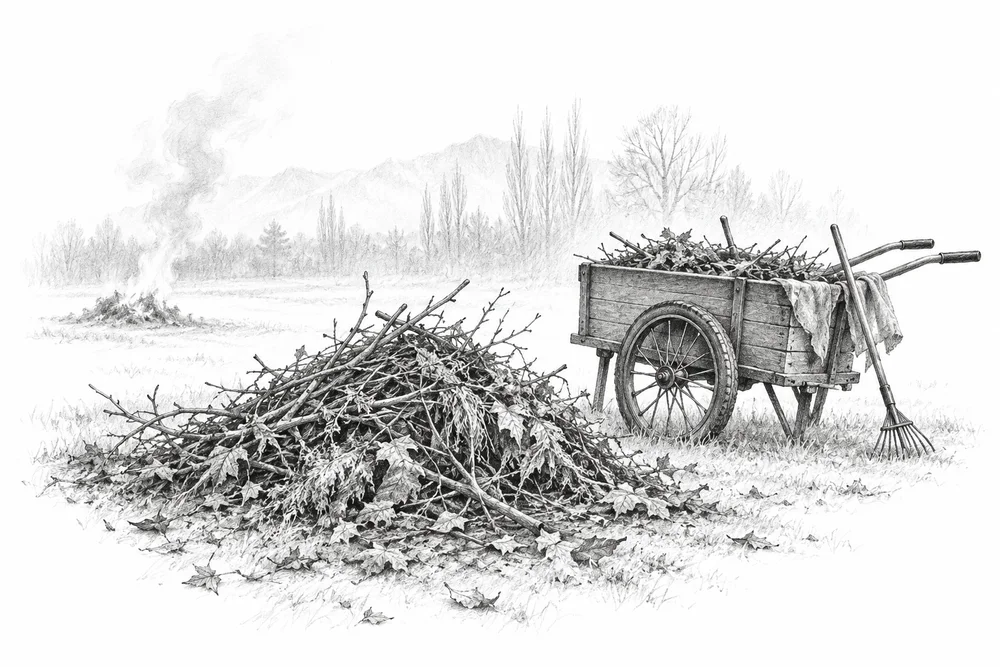
KVI-51 Local evidence
Identify local burning sources and pair behaviour change with workable collection or material-use alternatives.
Explore the opportunity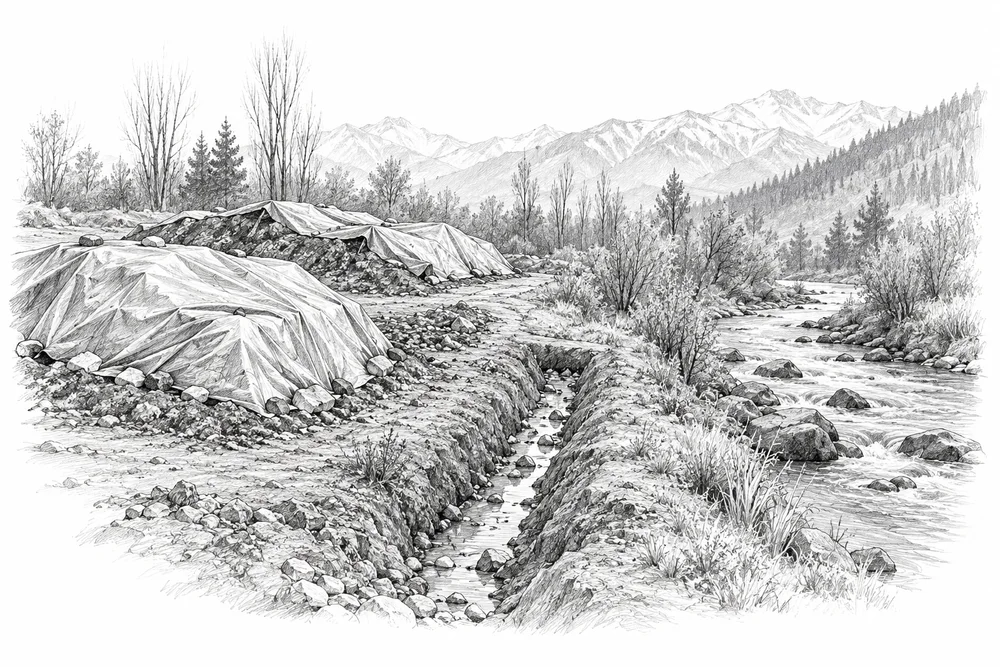
KVI-52 To investigate
Map water pathways from a selected waste site and support the responsible agency with monitoring and remediation options.
Explore the opportunity
KVI-53 To investigate
Check local disposal practices and develop a source-separation, reuse or accountable receiving-site pilot.
Explore the opportunity
KVI-54 To investigate
Verify the actual waste streams and strengthen handover to authorised specialist handlers where gaps are found.
Explore the opportunity
KVI-55 Local evidence
Work with one destination's businesses and local bodies on prevention, separation, collection and receiving arrangements.
Explore the opportunity5 opportunities
KVI-56 Local evidence
Support glacier and catchment observation partnerships and use the evidence for downstream adaptation planning.
Explore the opportunity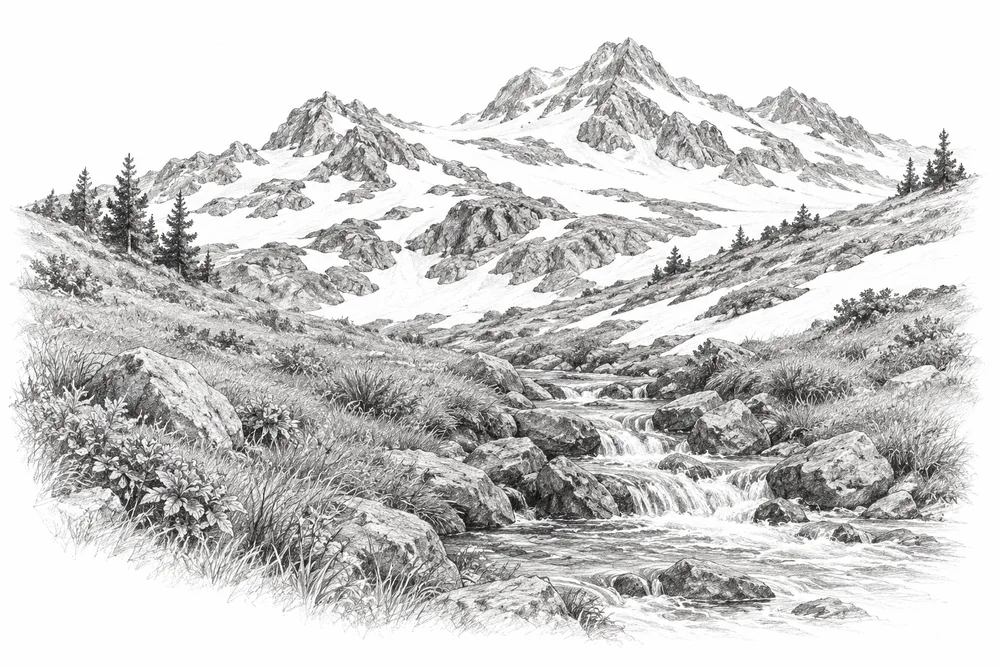
KVI-57 Local evidence
Track local snow persistence and stream seasonality; retain basin differences and years of greater snow cover.
Explore the opportunity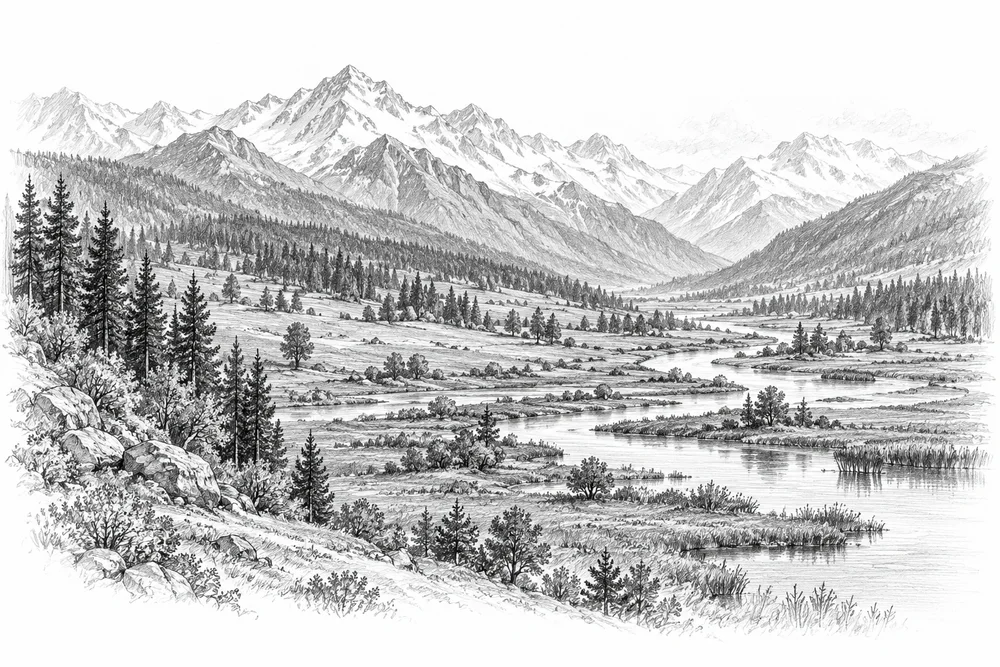
KVI-58 Local evidence
Identify where retaining wetlands, soils and vegetation could improve resilience, with site-specific hydrological evaluation.
Explore the opportunity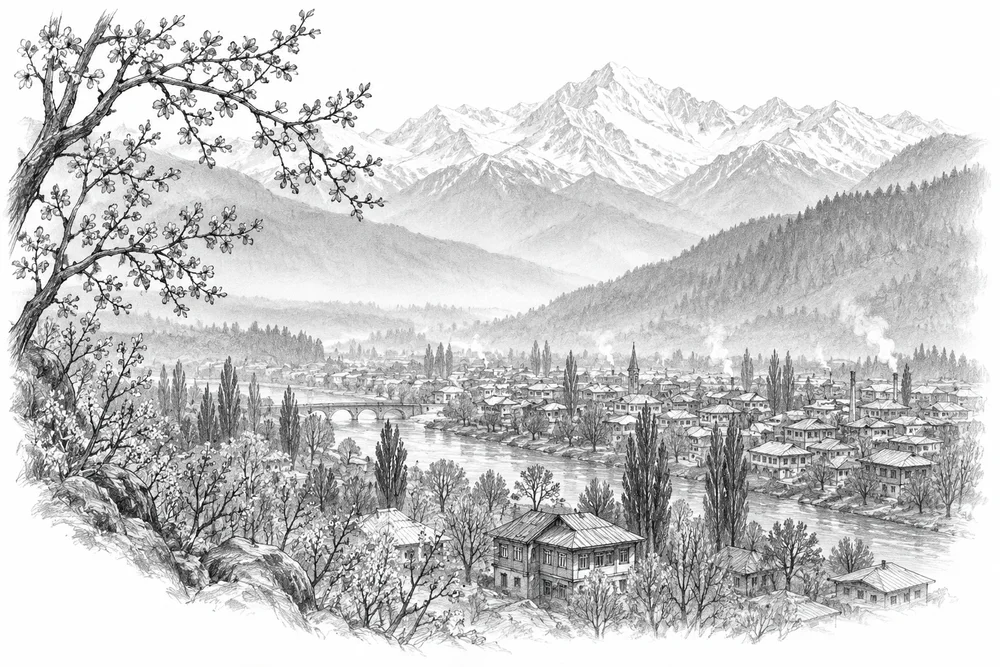
KVI-59 Local evidence
Use source evidence to choose practical local emission-reduction projects and account for transported pollution.
Explore the opportunity
KVI-60 Enabling project
Build a quality-controlled seasonal observation network that can show whether CCK projects change ecological condition.
Explore the opportunityPencil illustrations are editorial concepts, not records of surveyed sites or completed work.
OTHER PROJECTS & INITIATIVES
Design for public spaces and neighbourhoods, informed by natural systems.
Explore urban opportunitiesA community tree-planting drive announced for March 2024.
View the initiativeReusable bags in Harwan, and cleanup initiatives in Yusmarg and Dara.
View the initiativesRegional plant and animal records, with classification, status and sources.
Explore the collectionThe relationship between settlements, land use and ecological systems.
Explore planning opportunitiesBuilding design, local conditions and the use of materials and resources. No projects published in this category yet.